Global Jet Fuel Oil Market – Strategic Industry Outlook (2026–2036)
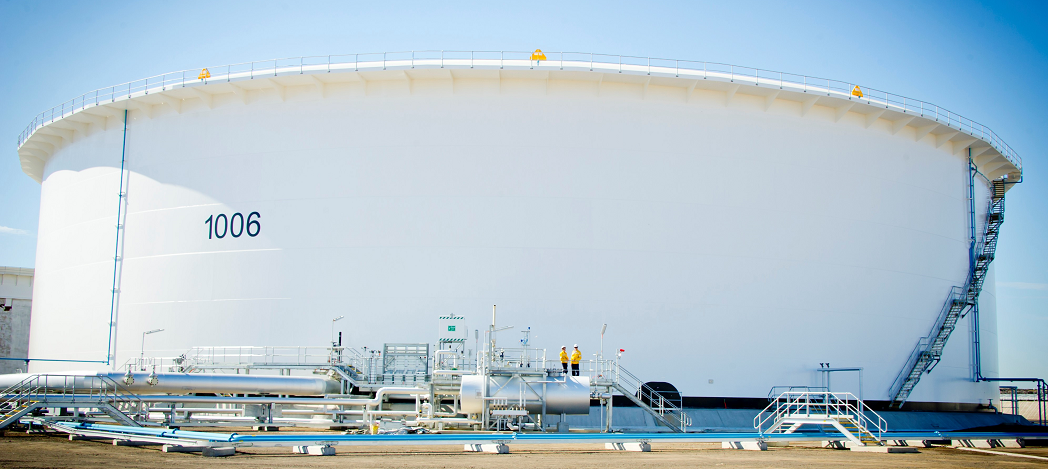
The Jet Fuel Oil Market is projected to expand steadily through 2036, driven by recovery in global air passenger traffic, growth in cargo aviation, defense aviation demand, and the accelerating transition toward Sustainable Aviation Fuel (SAF). Jet fuel—primarily kerosene-based aviation turbine fuel—is a critical energy input for both commercial and military aircraft operations.
Market performance is closely linked to crude oil prices, airline capacity expansion, international travel trends, carbon reduction mandates, and refinery output dynamics.
Market Segmentation Analysis
By Fuel Type
-
Jet A
-
Jet A-1
-
Jet B
-
Sustainable Aviation Fuel (SAF)
-
Synthetic Paraffinic Kerosene (SPK)
Jet A-1 dominates international aviation due to its lower freezing point and global standardization.
By Source
-
Conventional Fossil-Based Jet Fuel
-
Bio-Based Jet Fuel
-
Power-to-Liquid (PtL) Synthetic Fuel
By Application
-
Civil Aviation
-
Military Aviation
-
Cargo & Logistics Aviation
-
Business & Private Aviation
By End-User
-
Commercial Airlines
-
Defense Forces
-
Cargo Operators
-
Charter & Private Operators
Regional Analysis
North America
Strong demand supported by large commercial airline fleets and military aviation. Increasing investment in SAF blending infrastructure.
Europe
Aggressive carbon reduction targets and SAF mandates drive innovation and alternative fuel adoption.
Asia-Pacific
Fastest-growing region due to rising passenger traffic, airport infrastructure expansion, and increasing middle-class travel demand.
South America
Moderate growth linked to expanding regional airline networks.
Middle East & Africa
Growth supported by major airline hubs and strategic aviation expansion programs.
Key Market Participants
-
Air BP
-
Chevron
-
ExxonMobil
-
Gazprom
-
Shell plc
-
Neste
-
Gevo
-
LanzaTech
-
Honeywell
-
Hindustan Petroleum Corporation Limited
-
TotalEnergies
-
QatarEnergy
-
Sinopec
-
Petronas
-
SkyNRG
The competitive landscape includes integrated oil majors, renewable fuel innovators, and aviation fuel distribution specialists.
Impact of COVID-19
-
Significant drop in air travel demand in 2020
-
Sharp decline in jet fuel consumption
-
Gradual recovery driven by passenger and cargo rebound
-
Increased focus on fuel efficiency and cost management
The pandemic accelerated airline restructuring and sustainability planning.
Porter’s Five Forces Analysis
1. Threat of New Entrants – Low
High capital requirements and regulatory standards create substantial barriers.
2. Bargaining Power of Suppliers – High
Crude oil producers influence pricing; SAF feedstock suppliers hold growing leverage.
3. Bargaining Power of Buyers – High
Large airlines negotiate bulk contracts and fuel hedging agreements.
4. Threat of Substitutes – Moderate
Emerging electric and hydrogen aviation technologies present long-term substitution potential.
5. Competitive Rivalry – High
Intense competition among global oil majors and regional refiners.
SWOT Analysis
Strengths
-
Essential fuel for global aviation
-
High demand consistency in long-term travel growth
-
Increasing innovation in SAF
Weaknesses
-
High exposure to crude oil price volatility
-
Carbon emission concerns
-
Dependency on airline industry cycles
Opportunities
-
Rapid growth of sustainable aviation fuel
-
Expanding air cargo operations
-
Emerging markets air travel growth
-
Government incentives for green aviation
Threats
-
Stringent carbon emission regulations
-
Volatile geopolitical energy markets
-
Technological shift toward alternative propulsion
Market Drivers
-
Increasing global passenger air traffic
-
Expansion of airport infrastructure
-
Growth in e-commerce air cargo
-
Defense aviation modernization
-
Government mandates for SAF blending
Key Challenges
-
Fuel price volatility
-
Carbon emission reduction requirements
-
SAF production scalability
-
Geopolitical supply disruptions
Trend Analysis
-
Rising adoption of Sustainable Aviation Fuel (SAF)
-
Long-term airline fuel hedging strategies
-
Development of synthetic and bio-based jet fuels
-
Integration of carbon offset mechanisms
-
Investment in refinery modernization
Value Chain Analysis
Crude Oil Extraction / Biomass Feedstock → Refining & Hydroprocessing → Blending & Additive Formulation → Storage & Distribution → Airport Fueling Systems → Airlines & Military Operators
Key value addition points:
-
Refinery optimization
-
SAF blending technology
-
Fuel logistics and storage management
-
Long-term supply contracts
Vertical integration enhances pricing control and distribution efficiency.
Strategic Recommendations for Stakeholders
Refiners & Fuel Producers
-
Expand SAF production capacity
-
Invest in advanced refining and blending technologies
-
Diversify feedstock sources
Airlines
-
Secure long-term SAF supply agreements
-
Implement fuel efficiency optimization strategies
Investors
-
Focus on renewable aviation fuel innovators
-
Evaluate exposure to sustainable energy transition
Policy Makers
-
Support SAF infrastructure development
-
Implement balanced carbon regulation frameworks
1. Market Overview of Jet Fuel Oil
1.1 Jet Fuel Oil Market Overview
1.1.1 Jet Fuel Oil Product Scope
1.1.2 Market Status and Outlook
1.2 Jet Fuel Oil Market Size by Regions:
1.3 Jet Fuel Oil Historic Market Size by Regions
1.4 Jet Fuel Oil Forecasted Market Size by Regions
1.5 Covid-19 Impact on Key Regions, Keyword Market Size YoY Growth
1.5.1 North America
1.5.2 East Asia
1.5.3 Europe
1.5.4 South Asia
1.5.5 Southeast Asia
1.5.6 Middle East
1.5.7 Africa
1.5.8 Oceania
1.5.9 South America
1.5.10 Rest of the World
1.6 Coronavirus Disease 2019 (Covid-19) Impact Will Have a Severe Impact on Global Growth
1.6.1 Covid-19 Impact: Global GDP Growth, 2019, 2020 and 2021 Projections
1.6.2 Covid-19 Impact: Commodity Prices Indices
1.6.3 Covid-19 Impact: Global Major Government Policy
2. Covid-19 Impact Jet Fuel Oil Sales Market by Type
2.1 Global Jet Fuel Oil Historic Market Size by Type
2.2 Global Jet Fuel Oil Forecasted Market Size by Type
2.3 Jet A
2.4 Jet A-1
2.5 Jet B
3. Covid-19 Impact Jet Fuel Oil Sales Market by Application
3.1 Global Jet Fuel Oil Historic Market Size by Application
3.2 Global Jet Fuel Oil Forecasted Market Size by Application
3.3 Civil
3.4 Military
4. Covid-19 Impact Market Competition by Manufacturers
4.1 Global Jet Fuel Oil Production Capacity Market Share by Manufacturers
4.2 Global Jet Fuel Oil Revenue Market Share by Manufacturers
4.3 Global Jet Fuel Oil Average Price by Manufacturers
5. Company Profiles and Key Figures in Jet Fuel Oil Business
5.1 Air BP
5.1.1 Air BP Company Profile
5.1.2 Air BP Jet Fuel Oil Product Specification
5.1.3 Air BP Jet Fuel Oil Production Capacity, Revenue, Price and Gross Margin
5.2 Chevron
5.2.1 Chevron Company Profile
5.2.2 Chevron Jet Fuel Oil Product Specification
5.2.3 Chevron Jet Fuel Oil Production Capacity, Revenue, Price and Gross Margin
5.3 Exide
5.3.1 Exide Company Profile
5.3.2 Exide Jet Fuel Oil Product Specification
5.3.3 Exide Jet Fuel Oil Production Capacity, Revenue, Price and Gross Margin
5.4 Exxon Mobil
5.4.1 Exxon Mobil Company Profile
5.4.2 Exxon Mobil Jet Fuel Oil Product Specification
5.4.3 Exxon Mobil Jet Fuel Oil Production Capacity, Revenue, Price and Gross Margin
5.5 Gazprom
5.5.1 Gazprom Company Profile
5.5.2 Gazprom Jet Fuel Oil Product Specification
5.5.3 Gazprom Jet Fuel Oil Production Capacity, Revenue, Price and Gross Margin
5.6 Shell
5.6.1 Shell Company Profile
5.6.2 Shell Jet Fuel Oil Product Specification
5.6.3 Shell Jet Fuel Oil Production Capacity, Revenue, Price and Gross Margin
5.7 AltAir Fuels
5.7.1 AltAir Fuels Company Profile
5.7.2 AltAir Fuels Jet Fuel Oil Product Specification
5.7.3 AltAir Fuels Jet Fuel Oil Production Capacity, Revenue, Price and Gross Margin
5.8 Amyris
5.8.1 Amyris Company Profile
5.8.2 Amyris Jet Fuel Oil Product Specification
5.8.3 Amyris Jet Fuel Oil Production Capacity, Revenue, Price and Gross Margin
5.9 Gevo
5.9.1 Gevo Company Profile
5.9.2 Gevo Jet Fuel Oil Product Specification
5.9.3 Gevo Jet Fuel Oil Production Capacity, Revenue, Price and Gross Margin
5.10 Hindustan petroleum
5.10.1 Hindustan petroleum Company Profile
5.10.2 Hindustan petroleum Jet Fuel Oil Product Specification
5.10.3 Hindustan petroleum Jet Fuel Oil Production Capacity, Revenue, Price and Gross Margin
5.11 Honeywell
5.11.1 Honeywell Company Profile
5.11.2 Honeywell Jet Fuel Oil Product Specification
5.11.3 Honeywell Jet Fuel Oil Production Capacity, Revenue, Price and Gross Margin
5.12 LanzaTech
5.12.1 LanzaTech Company Profile
5.12.2 LanzaTech Jet Fuel Oil Product Specification
5.12.3 LanzaTech Jet Fuel Oil Production Capacity, Revenue, Price and Gross Margin
5.13 Neste Oil
5.13.1 Neste Oil Company Profile
5.13.2 Neste Oil Jet Fuel Oil Product Specification
5.13.3 Neste Oil Jet Fuel Oil Production Capacity, Revenue, Price and Gross Margin
5.14 Primus Green Energy
5.14.1 Primus Green Energy Company Profile
5.14.2 Primus Green Energy Jet Fuel Oil Product Specification
5.14.3 Primus Green Energy Jet Fuel Oil Production Capacity, Revenue, Price and Gross Margin
5.15 SkyNRG
5.15.1 SkyNRG Company Profile
5.15.2 SkyNRG Jet Fuel Oil Product Specification
5.15.3 SkyNRG Jet Fuel Oil Production Capacity, Revenue, Price and Gross Margin
5.16 Solazyme
5.16.1 Solazyme Company Profile
5.16.2 Solazyme Jet Fuel Oil Product Specification
5.16.3 Solazyme Jet Fuel Oil Production Capacity, Revenue, Price and Gross Margin
5.17 Solena Fuels
5.17.1 Solena Fuels Company Profile
5.17.2 Solena Fuels Jet Fuel Oil Product Specification
5.17.3 Solena Fuels Jet Fuel Oil Production Capacity, Revenue, Price and Gross Margin
5.18 Statoil
5.18.1 Statoil Company Profile
5.18.2 Statoil Jet Fuel Oil Product Specification
5.18.3 Statoil Jet Fuel Oil Production Capacity, Revenue, Price and Gross Margin
6. North America
6.1 North America Jet Fuel Oil Market Size
6.2 North America Jet Fuel Oil Key Players in North America
6.3 North America Jet Fuel Oil Market Size by Type
6.4 North America Jet Fuel Oil Market Size by Application
7. East Asia
7.1 East Asia Jet Fuel Oil Market Size
7.2 East Asia Jet Fuel Oil Key Players in North America
7.3 East Asia Jet Fuel Oil Market Size by Type
7.4 East Asia Jet Fuel Oil Market Size by Application
8. Europe
8.1 Europe Jet Fuel Oil Market Size
8.2 Europe Jet Fuel Oil Key Players in North America
8.3 Europe Jet Fuel Oil Market Size by Type
8.4 Europe Jet Fuel Oil Market Size by Application
9. South Asia
9.1 South Asia Jet Fuel Oil Market Size
9.2 South Asia Jet Fuel Oil Key Players in North America
9.3 South Asia Jet Fuel Oil Market Size by Type
9.4 South Asia Jet Fuel Oil Market Size by Application
10. Southeast Asia
10.1 Southeast Asia Jet Fuel Oil Market Size
10.2 Southeast Asia Jet Fuel Oil Key Players in North America
10.3 Southeast Asia Jet Fuel Oil Market Size by Type
10.4 Southeast Asia Jet Fuel Oil Market Size by Application
11. Middle East
11.1 Middle East Jet Fuel Oil Market Size
11.2 Middle East Jet Fuel Oil Key Players in North America
11.3 Middle East Jet Fuel Oil Market Size by Type
11.4 Middle East Jet Fuel Oil Market Size by Application
12. Africa
12.1 Africa Jet Fuel Oil Market Size
12.2 Africa Jet Fuel Oil Key Players in North America
12.3 Africa Jet Fuel Oil Market Size by Type
12.4 Africa Jet Fuel Oil Market Size by Application
13. Oceania
13.1 Oceania Jet Fuel Oil Market Size
13.2 Oceania Jet Fuel Oil Key Players in North America
13.3 Oceania Jet Fuel Oil Market Size by Type
13.4 Oceania Jet Fuel Oil Market Size by Application
14. South America
14.1 South America Jet Fuel Oil Market Size
14.2 South America Jet Fuel Oil Key Players in North America
14.3 South America Jet Fuel Oil Market Size by Type
14.4 South America Jet Fuel Oil Market Size by Application
15. Rest of the World
15.1 Rest of the World Jet Fuel Oil Market Size
15.2 Rest of the World Jet Fuel Oil Key Players in North America
15.3 Rest of the World Jet Fuel Oil Market Size by Type
15.4 Rest of the World Jet Fuel Oil Market Size by Application
16 Jet Fuel Oil Market Dynamics
16.1 Covid-19 Impact Market Top Trends
16.2 Covid-19 Impact Market Drivers
16.3 Covid-19 Impact Market Challenges
16.4 Porter?s Five Forces Analysis
18 Regulatory Information
17 Analyst's Viewpoints/Conclusions
18 Appendix
18.1 Research Methodology
18.1.1 Methodology/Research Approach
18.1.2 Data Source
18.2 Disclaimer
Market Segmentation Analysis
By Fuel Type
-
Jet A
-
Jet A-1
-
Jet B
-
Sustainable Aviation Fuel (SAF)
-
Synthetic Paraffinic Kerosene (SPK)
Jet A-1 dominates international aviation due to its lower freezing point and global standardization.
By Source
-
Conventional Fossil-Based Jet Fuel
-
Bio-Based Jet Fuel
-
Power-to-Liquid (PtL) Synthetic Fuel
By Application
-
Civil Aviation
-
Military Aviation
-
Cargo & Logistics Aviation
-
Business & Private Aviation
By End-User
-
Commercial Airlines
-
Defense Forces
-
Cargo Operators
-
Charter & Private Operators
Upto 24 to 48 hrs (Working Hours)
Upto 72 hrs max (Working Hours) - Weekends and Public Holidays
Single User License - Allows access to only one person to the report.
Multi User License - Allows sharing with max 5 persons within organization.
Corporate License – Can be shared across entire organization.
Online Payments with PayPal
Wire Transfer / Bank Transfer
Why Choose Us
24/7 Expert Support
At ChemReports, we understand that business decisions can’t wait. Our research specialists are available anytime to answer your queries and guide you through our reports, ensuring quick and reliable assistance.
Comprehensive Market Coverage
ChemReports provides 360° market analysis across materials, technologies, and global chemical sectors—helping you make confident business decisions.
Actionable Intelligence
We turn complex data into strategic insights to support fact-based decisions, market entry strategies, and competitive analysis.
Data Privacy & Security
Your personal and business information is completely secure with us. We value your trust and ensure strict confidentiality.
Customized Research
Need tailored insights? Our analysts provide custom reports built on authentic data and aligned with your specific business goals.