Global Cobalt Market Analysis (2026–2036)
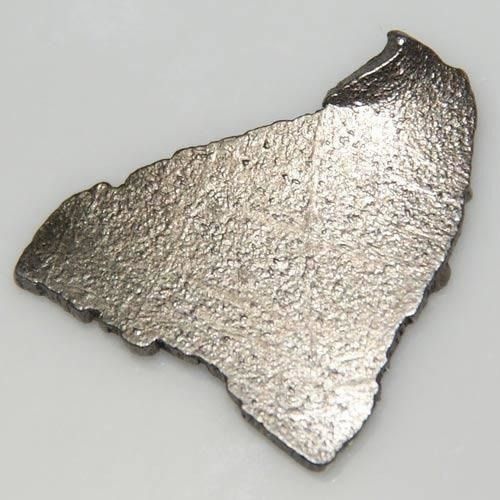
Chem Reports estimates that the Cobalt Market was valued at USD XXXX million in 2025 and is projected to reach USD XXXX million by 2036, expanding at a CAGR of XX% during the forecast period.
Cobalt is a critical transition metal widely used in rechargeable batteries, superalloys, catalysts, and specialty chemicals. The market is heavily influenced by electric vehicle (EV) adoption, energy storage expansion, aerospace demand, and geopolitical supply dynamics.
Market Overview
Cobalt is primarily obtained as a by-product of copper and nickel mining. Key properties include:
-
High thermal stability
-
Magnetic characteristics
-
Corrosion resistance
-
High energy density contribution in lithium-ion batteries
The market is strategically important due to its essential role in battery cathode chemistries such as NMC (Nickel Manganese Cobalt) and NCA (Nickel Cobalt Aluminum).
Impact of COVID-19
Negative Effects (2020):
-
Mining disruptions in Africa and South America
-
Reduced automotive production
-
Supply chain interruptions
Recovery Trends:
-
Rapid EV production growth
-
Increased demand for energy storage systems
-
Supply diversification initiatives
By 2022 onward, strong EV and renewable energy expansion restored cobalt demand momentum.
Market Segmentation
By Type (Production Source)
-
Independent Mineral (Primary Cobalt Mining)
-
Commingling (By-product from Copper/Nickel Mining)
-
Recycled Cobalt
-
Refined Cobalt Metal
-
Cobalt Salts (Cobalt Sulfate, Cobalt Oxide)
Dominant Segment: By-product (Commingling)
Fastest Growing Segment: Recycled Cobalt
By Application
-
Aerospace (Superalloys & Turbine Blades)
-
Automotive (EV Batteries)
-
Electronics (Lithium-ion Batteries)
-
Medical Domain (Implants, Radiotherapy)
-
Energy Storage Systems
-
Catalysts
-
Tooling & Hard Metals
Largest Share: Automotive & Energy Storage
High-Growth Area: EV Battery Cathodes
By End-User Industry
-
Electric Vehicle Manufacturing
-
Consumer Electronics
-
Aerospace & Defense
-
Renewable Energy
-
Industrial Manufacturing
EV battery production is the primary growth engine.
Regional Analysis
Africa
-
Largest cobalt mining reserves (notably DRC)
-
Dominant raw material supply base
Asia-Pacific
-
Major refining and battery manufacturing hub
-
China leads cobalt processing capacity
North America
-
Expanding domestic battery manufacturing
-
Increasing recycling initiatives
Europe
-
Strong EV adoption policies
-
Battery gigafactory investments
South America
-
Copper mining activities contributing by-product cobalt
Asia-Pacific dominates refining and consumption, while Africa leads in mining supply.
Expanded Key Market Players
-
Glencore
-
Sherritt International
-
Vale S.A.
-
Gecamines S.A.
-
China Molybdenum Co., Ltd. (CMOC)
-
Umicore
-
Eurasian Resources Group (ERG)
-
Huayou Cobalt
-
Norilsk Nickel
-
Sumitomo Metal Mining
-
Jinchuan Group
-
First Cobalt Corp.
-
Tesla (battery supply integration initiatives)
-
BHP Group
-
Nornickel
-
Freeport-McMoRan
Segment Analysis
Source Perspective
By-product cobalt from copper and nickel mining dominates global supply. However, recycled cobalt is expanding due to sustainability pressures.
Application Perspective
Battery manufacturing accounts for the majority of global demand, especially in EV cathodes.
Regional Perspective
Africa leads in ore extraction; Asia-Pacific leads in refining and battery-grade cobalt production.
Porter’s Five Forces Analysis
1. Competitive Rivalry – High
Major mining corporations and refining companies compete for supply contracts with battery manufacturers.
2. Threat of New Entrants – Low
High capital intensity and geopolitical constraints limit new mining projects.
3. Bargaining Power of Suppliers – High
Concentration of reserves in limited regions strengthens supplier leverage.
4. Bargaining Power of Buyers – High
Battery manufacturers negotiate long-term supply contracts.
5. Threat of Substitutes – Moderate
Battery chemistries reducing cobalt content (LFP batteries) pose substitution risk.
SWOT Analysis
Strengths
-
Critical role in EV batteries
-
High-performance alloy applications
-
Strategic importance in energy transition
Weaknesses
-
Geographic supply concentration
-
Price volatility
-
Ethical sourcing concerns
Opportunities
-
EV adoption surge
-
Battery recycling expansion
-
Development of sustainable mining practices
Threats
-
Alternative battery chemistries
-
Geopolitical instability
-
Environmental regulations
Trend Analysis
-
Reduction of cobalt intensity in battery cathodes
-
Growth in battery recycling technologies
-
Vertical integration by EV manufacturers
-
Supply chain diversification efforts
-
Increased transparency and ESG compliance
Market Drivers
-
Rapid growth of electric vehicles
-
Expansion of renewable energy storage
-
Aerospace superalloy demand
-
Consumer electronics production
-
Government incentives for clean energy
Market Challenges
-
Supply concentration risks
-
Price fluctuations
-
Ethical sourcing concerns
-
Environmental impact of mining
-
Technological substitution risk
Value Chain Analysis
Mining (Copper/Nickel Extraction) → Concentration → Refining → Chemical Conversion (Cobalt Sulfate/Oxide) → Battery Cathode Manufacturing → Cell Assembly → EV & Electronics Production
Significant value addition occurs during:
-
Refining to battery-grade purity
-
Chemical conversion into cobalt sulfate
-
Cathode material manufacturing
Recycling is becoming an increasingly important parallel value stream.
Competitive Landscape
The cobalt market is moderately consolidated at the mining level but competitive in refining and battery chemical production. Vertical integration between mining companies and battery manufacturers is increasing to secure supply.
Strategic Recommendations
For Mining Companies
-
Diversify geographic production
-
Invest in ESG-compliant extraction practices
-
Expand recycling initiatives
For Battery Manufacturers
-
Secure long-term supply agreements
-
Invest in cobalt-efficient chemistries
-
Develop recycling capabilities
For Investors
-
Target vertically integrated battery material companies
-
Monitor EV policy developments
For New Entrants
-
Focus on cobalt recycling and refining
-
Develop partnerships within EV supply chains
Conclusion
The Cobalt Market remains strategically vital to the global energy transition. While supply concentration and substitution risks exist, sustained EV adoption and renewable energy expansion will continue to drive demand through 2036. Companies prioritizing supply security, sustainability, and technological innovation will secure competitive advantage in this critical mineral sector.
1. Market Overview of Cobalt
1.1 Cobalt Market Overview
1.1.1 Cobalt Product Scope
1.1.2 Market Status and Outlook
1.2 Cobalt Market Size by Regions:
1.3 Cobalt Historic Market Size by Regions
1.4 Cobalt Forecasted Market Size by Regions
1.5 Covid-19 Impact on Key Regions, Keyword Market Size YoY Growth
1.5.1 North America
1.5.2 East Asia
1.5.3 Europe
1.5.4 South Asia
1.5.5 Southeast Asia
1.5.6 Middle East
1.5.7 Africa
1.5.8 Oceania
1.5.9 South America
1.5.10 Rest of the World
1.6 Coronavirus Disease 2019 (Covid-19) Impact Will Have a Severe Impact on Global Growth
1.6.1 Covid-19 Impact: Global GDP Growth, 2019, 2020 and 2021 Projections
1.6.2 Covid-19 Impact: Commodity Prices Indices
1.6.3 Covid-19 Impact: Global Major Government Policy
2. Covid-19 Impact Cobalt Sales Market by Type
2.1 Global Cobalt Historic Market Size by Type
2.2 Global Cobalt Forecasted Market Size by Type
2.3 Independent Mineral
2.4 Commingling
2.5 Others
3. Covid-19 Impact Cobalt Sales Market by Application
3.1 Global Cobalt Historic Market Size by Application
3.2 Global Cobalt Forecasted Market Size by Application
3.3 Aerospace
3.4 Automotive
3.5 Electronics
3.6 Medical Domain
3.7 Others
4. Covid-19 Impact Market Competition by Manufacturers
4.1 Global Cobalt Production Capacity Market Share by Manufacturers
4.2 Global Cobalt Revenue Market Share by Manufacturers
4.3 Global Cobalt Average Price by Manufacturers
5. Company Profiles and Key Figures in Cobalt Business
5.1 Glencore
5.1.1 Glencore Company Profile
5.1.2 Glencore Cobalt Product Specification
5.1.3 Glencore Cobalt Production Capacity, Revenue, Price and Gross Margin
5.2 Sherritt International
5.2.1 Sherritt International Company Profile
5.2.2 Sherritt International Cobalt Product Specification
5.2.3 Sherritt International Cobalt Production Capacity, Revenue, Price and Gross Margin
5.3 Vale S.A.
5.3.1 Vale S.A. Company Profile
5.3.2 Vale S.A. Cobalt Product Specification
5.3.3 Vale S.A. Cobalt Production Capacity, Revenue, Price and Gross Margin
5.4 Gecamines S.A.
5.4.1 Gecamines S.A. Company Profile
5.4.2 Gecamines S.A. Cobalt Product Specification
5.4.3 Gecamines S.A. Cobalt Production Capacity, Revenue, Price and Gross Margin
6. North America
6.1 North America Cobalt Market Size
6.2 North America Cobalt Key Players in North America
6.3 North America Cobalt Market Size by Type
6.4 North America Cobalt Market Size by Application
7. East Asia
7.1 East Asia Cobalt Market Size
7.2 East Asia Cobalt Key Players in North America
7.3 East Asia Cobalt Market Size by Type
7.4 East Asia Cobalt Market Size by Application
8. Europe
8.1 Europe Cobalt Market Size
8.2 Europe Cobalt Key Players in North America
8.3 Europe Cobalt Market Size by Type
8.4 Europe Cobalt Market Size by Application
9. South Asia
9.1 South Asia Cobalt Market Size
9.2 South Asia Cobalt Key Players in North America
9.3 South Asia Cobalt Market Size by Type
9.4 South Asia Cobalt Market Size by Application
10. Southeast Asia
10.1 Southeast Asia Cobalt Market Size
10.2 Southeast Asia Cobalt Key Players in North America
10.3 Southeast Asia Cobalt Market Size by Type
10.4 Southeast Asia Cobalt Market Size by Application
11. Middle East
11.1 Middle East Cobalt Market Size
11.2 Middle East Cobalt Key Players in North America
11.3 Middle East Cobalt Market Size by Type
11.4 Middle East Cobalt Market Size by Application
12. Africa
12.1 Africa Cobalt Market Size
12.2 Africa Cobalt Key Players in North America
12.3 Africa Cobalt Market Size by Type
12.4 Africa Cobalt Market Size by Application
13. Oceania
13.1 Oceania Cobalt Market Size
13.2 Oceania Cobalt Key Players in North America
13.3 Oceania Cobalt Market Size by Type
13.4 Oceania Cobalt Market Size by Application
14. South America
14.1 South America Cobalt Market Size
14.2 South America Cobalt Key Players in North America
14.3 South America Cobalt Market Size by Type
14.4 South America Cobalt Market Size by Application
15. Rest of the World
15.1 Rest of the World Cobalt Market Size
15.2 Rest of the World Cobalt Key Players in North America
15.3 Rest of the World Cobalt Market Size by Type
15.4 Rest of the World Cobalt Market Size by Application
16 Cobalt Market Dynamics
16.1 Covid-19 Impact Market Top Trends
16.2 Covid-19 Impact Market Drivers
16.3 Covid-19 Impact Market Challenges
16.4 Porter?s Five Forces Analysis
18 Regulatory Information
17 Analyst's Viewpoints/Conclusions
18 Appendix
18.1 Research Methodology
18.1.1 Methodology/Research Approach
18.1.2 Data Source
18.2 Disclaimer
Market Segmentation
By Type (Production Source)
-
Independent Mineral (Primary Cobalt Mining)
-
Commingling (By-product from Copper/Nickel Mining)
-
Recycled Cobalt
-
Refined Cobalt Metal
-
Cobalt Salts (Cobalt Sulfate, Cobalt Oxide)
Dominant Segment: By-product (Commingling)
Fastest Growing Segment: Recycled Cobalt
By Application
-
Aerospace (Superalloys & Turbine Blades)
-
Automotive (EV Batteries)
-
Electronics (Lithium-ion Batteries)
-
Medical Domain (Implants, Radiotherapy)
-
Energy Storage Systems
-
Catalysts
-
Tooling & Hard Metals
Largest Share: Automotive & Energy Storage
High-Growth Area: EV Battery Cathodes
By End-User Industry
-
Electric Vehicle Manufacturing
-
Consumer Electronics
-
Aerospace & Defense
-
Renewable Energy
-
Industrial Manufacturing
EV battery production is the primary growth engine.
Upto 24 to 48 hrs (Working Hours)
Upto 72 hrs max (Working Hours) - Weekends and Public Holidays
Single User License - Allows access to only one person to the report.
Multi User License - Allows sharing with max 5 persons within organization.
Corporate License – Can be shared across entire organization.
Online Payments with PayPal
Wire Transfer / Bank Transfer
Why Choose Us
24/7 Expert Support
At ChemReports, we understand that business decisions can’t wait. Our research specialists are available anytime to answer your queries and guide you through our reports, ensuring quick and reliable assistance.
Comprehensive Market Coverage
ChemReports provides 360° market analysis across materials, technologies, and global chemical sectors—helping you make confident business decisions.
Actionable Intelligence
We turn complex data into strategic insights to support fact-based decisions, market entry strategies, and competitive analysis.
Data Privacy & Security
Your personal and business information is completely secure with us. We value your trust and ensure strict confidentiality.
Customized Research
Need tailored insights? Our analysts provide custom reports built on authentic data and aligned with your specific business goals.