Global Safety Footwear Market – Comprehensive Industry Analysis (2026–2036)
Market Overview
The Global Safety Footwear Market was valued at USD XXX billion in 2025 and is projected to reach USD XXX billion by 2036, expanding at a CAGR of XX% during the forecast period.
Safety footwear is designed to protect workers from occupational hazards including impact, compression, punctures, slips, electrical risks, and chemical exposure. These products are widely used across construction, oil & gas, mining, manufacturing, food processing, pharmaceuticals, and logistics sectors.
Market growth is supported by tightening workplace safety regulations, rising industrialization in emerging economies, increasing awareness of worker protection, and technological advancements in lightweight composite materials.
Product Overview
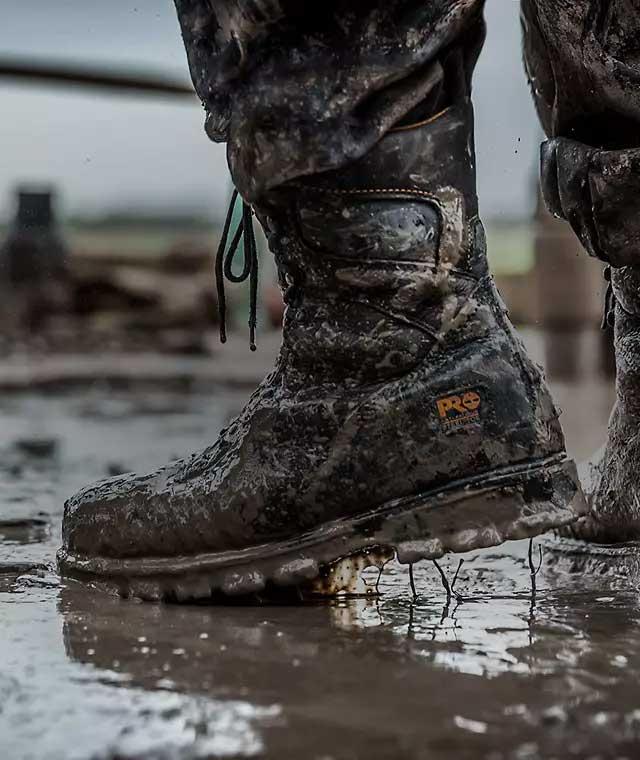
Modern safety footwear offers:
-
Steel or composite toe protection
-
Slip-resistant outsoles
-
Anti-static and electrical hazard resistance
-
Chemical-resistant materials
-
Puncture-resistant midsoles
-
Lightweight ergonomic design
Advanced materials such as composite toe caps and breathable membranes are increasingly replacing traditional heavy steel components.
Market Segmentation Analysis
By Material Type
-
Leather Safety Footwear
-
Durable and widely adopted
-
Preferred in construction and heavy industry
-
-
Rubber Safety Footwear
-
Water and chemical resistant
-
Used in oil & gas and food industries
-
-
Plastic & PVC Footwear
-
Lightweight and cost-effective
-
Suitable for wet environments
-
-
Composite & Synthetic Materials
-
Lightweight toe caps
-
Electrical hazard protection
-
Leather remains the dominant material segment globally.
By Product Type
-
Safety Shoes
-
Safety Boots
-
Safety Sandals
-
Clogs
-
Gumboots
Safety boots hold the largest revenue share due to heavy industrial usage.
By Protection Type
-
Steel Toe
-
Composite Toe
-
Alloy Toe
-
Metatarsal Protection
-
Electrical Hazard (EH)
-
Anti-Static (ESD)
-
Slip-Resistant
-
Heat & Flame Resistant
Composite toe footwear is gaining traction due to weight reduction benefits.
By Application
-
Construction
-
Oil & Gas
-
Chemicals
-
Mining
-
Food Processing
-
Pharmaceuticals
-
Manufacturing
-
Logistics & Warehousing
Construction and oil & gas sectors contribute significantly to demand.
By Distribution Channel
-
Direct Sales (Industrial Contracts)
-
Retail Stores
-
Online Platforms
-
Safety Equipment Distributors
Online sales channels are expanding rapidly.
Regional Analysis
North America
-
Strict occupational safety standards.
-
High adoption of premium protective footwear.
-
Strong demand from oil & gas and construction sectors.
Europe
-
Stringent worker safety regulations.
-
Strong industrial manufacturing base.
-
Increasing focus on sustainable footwear materials.
Asia-Pacific
-
Fastest-growing regional market.
-
Rapid industrialization in China and India.
-
Expanding manufacturing and infrastructure projects.
South America
-
Mining sector driving demand.
-
Growing infrastructure development.
Middle East & Africa
-
Oil & gas projects supporting growth.
-
Rising construction investments.
Competitive Landscape
Major Market Participants
-
JAL Group France SAS
-
Dunlop Protective Footwear
-
COFRA S.r.l.
-
Honeywell International Inc.
-
Hewats Edinburgh
-
Rahman Group
-
Rock Fall Ltd.
-
Uvex Group
-
V.F. Corporation (Timberland PRO)
-
Wolverine Worldwide
-
Bova Safety Footwear
-
Gabri Safety Shoes
-
Simon Corporation
-
Anbu Safety Industrial Co. Ltd.
-
Liberty Group
-
ACME FABRIK Plastic Co.
-
W.L. Gore & Associates
-
Vijay Shoes Pvt. Ltd.
-
Walker Footwear Industries Ltd.
-
Bata Industrials
Additional Key Players
-
3M (Safety Solutions Division)
-
Ansell Protective Solutions
-
Skechers Work
-
Red Wing Shoes
-
Carhartt (Workwear Footwear)
-
Delta Plus Group
-
Dr. Martens Workwear
-
Puma Safety
-
U-Power
-
Lakeland Industries
Competition is centered around comfort innovation, lightweight composite materials, ergonomic design, regulatory compliance, and brand reputation.
Impact of COVID-19
-
Temporary slowdown in construction and manufacturing.
-
Increased demand in pharmaceutical and food processing sectors.
-
Growth in logistics and warehousing boosted demand.
-
Supply chain disruptions affected raw material availability.
Market Drivers
-
Increasing global workplace safety regulations.
-
Rapid industrialization and infrastructure growth.
-
Rising awareness of employee protection standards.
-
Technological innovations in lightweight materials.
-
Expansion of oil & gas and mining industries.
Market Challenges
-
Fluctuations in raw material prices (leather, rubber).
-
Counterfeit products affecting brand value.
-
High competition leading to pricing pressure.
-
Compliance requirements across multiple regions.
-
Economic slowdowns affecting construction activity.
Emerging Trends
-
Growth in eco-friendly and sustainable footwear materials.
-
Lightweight composite toe technology.
-
Smart safety footwear with tracking sensors.
-
Increased demand for anti-fatigue and ergonomic designs.
-
Expansion of women-specific safety footwear.
-
Direct-to-consumer online sales growth.
Porter’s Five Forces Analysis
1. Threat of New Entrants – Moderate
Brand recognition and compliance certifications create entry barriers.
2. Bargaining Power of Suppliers – Moderate
Dependence on leather and synthetic material suppliers.
3. Bargaining Power of Buyers – High
Large industrial contracts influence pricing.
4. Threat of Substitutes – Low
Safety footwear is mandatory in many industries.
5. Competitive Rivalry – High
Numerous regional and international players competing on innovation and pricing.
SWOT Analysis
Strengths
-
Essential for workplace compliance.
-
Broad industrial demand base.
-
Strong regulatory support.
Weaknesses
-
Raw material dependency.
-
Price-sensitive segments in developing regions.
Opportunities
-
Emerging markets industrial expansion.
-
Sustainable and recyclable footwear lines.
-
Smart wearable integration.
-
Growth in female workforce safety products.
Threats
-
Counterfeit and low-quality products.
-
Economic downturn impacting industrial sectors.
-
Regulatory changes increasing compliance costs.
Value Chain Analysis
-
Raw Material Procurement
-
Leather
-
Rubber
-
Synthetic polymers
-
Composite toe materials
-
-
Design & Engineering
-
Ergonomic testing
-
Safety certification compliance
-
-
Manufacturing & Assembly
-
Upper stitching
-
Sole injection molding
-
Toe cap integration
-
-
Quality Testing
-
Impact resistance
-
Slip resistance
-
Electrical hazard testing
-
-
Distribution
-
Industrial contracts
-
Retail & online platforms
-
-
End Use
-
Construction sites
-
Industrial plants
-
Oil rigs
-
Trend Outlook (2026–2036)
-
Asia-Pacific projected to lead growth.
-
Increasing adoption of lightweight composite toe footwear.
-
Sustainable product lines expected to grow rapidly.
-
Digital sales channels expanding market reach.
-
Integration of smart wearables in industrial PPE.
Strategic Recommendations
For Manufacturers
-
Invest in lightweight and ergonomic innovations.
-
Expand eco-friendly product portfolios.
-
Strengthen compliance certifications globally.
For Investors
-
Target companies with strong brand positioning.
-
Focus on firms expanding in Asia-Pacific markets.
For Distributors
-
Develop digital sales platforms.
-
Offer customized corporate safety solutions.
For Policymakers
-
Strengthen workplace safety enforcement.
-
Encourage sustainable PPE manufacturing initiatives.
Conclusion
The Safety Footwear Market is positioned for sustained growth driven by industrial expansion, regulatory enforcement, and technological innovation in protective materials. While competitive pressures and raw material volatility present challenges, demand for reliable, lightweight, and sustainable protective footwear will support long-term expansion through 2036. Companies focusing on comfort, compliance, and brand differentiation will maintain competitive advantage.
1. Market Overview of Safety Footwear
1.1 Safety Footwear Market Overview
1.1.1 Safety Footwear Product Scope
1.1.2 Market Status and Outlook
1.2 Safety Footwear Market Size by Regions:
1.3 Safety Footwear Historic Market Size by Regions
1.4 Safety Footwear Forecasted Market Size by Regions
1.5 Covid-19 Impact on Key Regions, Keyword Market Size YoY Growth
1.5.1 North America
1.5.2 East Asia
1.5.3 Europe
1.5.4 South Asia
1.5.5 Southeast Asia
1.5.6 Middle East
1.5.7 Africa
1.5.8 Oceania
1.5.9 South America
1.5.10 Rest of the World
1.6 Coronavirus Disease 2019 (Covid-19) Impact Will Have a Severe Impact on Global Growth
1.6.1 Covid-19 Impact: Global GDP Growth, 2019, 2020 and 2021 Projections
1.6.2 Covid-19 Impact: Commodity Prices Indices
1.6.3 Covid-19 Impact: Global Major Government Policy
2. Covid-19 Impact Safety Footwear Sales Market by Type
2.1 Global Safety Footwear Historic Market Size by Type
2.2 Global Safety Footwear Forecasted Market Size by Type
2.3 Leather
2.4 Rubber
2.5 Plastic
3. Covid-19 Impact Safety Footwear Sales Market by Application
3.1 Global Safety Footwear Historic Market Size by Application
3.2 Global Safety Footwear Forecasted Market Size by Application
3.3 Construction
3.4 Oil & Gas
3.5 Chemicals
3.6 Mining
3.7 Food
3.8 Pharmaceutical
4. Covid-19 Impact Market Competition by Manufacturers
4.1 Global Safety Footwear Production Capacity Market Share by Manufacturers
4.2 Global Safety Footwear Revenue Market Share by Manufacturers
4.3 Global Safety Footwear Average Price by Manufacturers
5. Company Profiles and Key Figures in Safety Footwear Business
5.1 JAL Group France SAS
5.1.1 JAL Group France SAS Company Profile
5.1.2 JAL Group France SAS Safety Footwear Product Specification
5.1.3 JAL Group France SAS Safety Footwear Production Capacity, Revenue, Price and Gross Margin
5.2 Dunlop Boots
5.2.1 Dunlop Boots Company Profile
5.2.2 Dunlop Boots Safety Footwear Product Specification
5.2.3 Dunlop Boots Safety Footwear Production Capacity, Revenue, Price and Gross Margin
5.3 COFRA S.r.l.
5.3.1 COFRA S.r.l. Company Profile
5.3.2 COFRA S.r.l. Safety Footwear Product Specification
5.3.3 COFRA S.r.l. Safety Footwear Production Capacity, Revenue, Price and Gross Margin
5.4 Honeywell International Inc.
5.4.1 Honeywell International Inc. Company Profile
5.4.2 Honeywell International Inc. Safety Footwear Product Specification
5.4.3 Honeywell International Inc. Safety Footwear Production Capacity, Revenue, Price and Gross Margin
5.5 Hewats Edinburgh
5.5.1 Hewats Edinburgh Company Profile
5.5.2 Hewats Edinburgh Safety Footwear Product Specification
5.5.3 Hewats Edinburgh Safety Footwear Production Capacity, Revenue, Price and Gross Margin
5.6 Rahman Group
5.6.1 Rahman Group Company Profile
5.6.2 Rahman Group Safety Footwear Product Specification
5.6.3 Rahman Group Safety Footwear Production Capacity, Revenue, Price and Gross Margin
5.7 Rock Fall Ltd.
5.7.1 Rock Fall Ltd. Company Profile
5.7.2 Rock Fall Ltd. Safety Footwear Product Specification
5.7.3 Rock Fall Ltd. Safety Footwear Production Capacity, Revenue, Price and Gross Margin
5.8 Uvex Group
5.8.1 Uvex Group Company Profile
5.8.2 Uvex Group Safety Footwear Product Specification
5.8.3 Uvex Group Safety Footwear Production Capacity, Revenue, Price and Gross Margin
5.9 V.F. Corporation
5.9.1 V.F. Corporation Company Profile
5.9.2 V.F. Corporation Safety Footwear Product Specification
5.9.3 V.F. Corporation Safety Footwear Production Capacity, Revenue, Price and Gross Margin
5.10 WOLVERINE
5.10.1 WOLVERINE Company Profile
5.10.2 WOLVERINE Safety Footwear Product Specification
5.10.3 WOLVERINE Safety Footwear Production Capacity, Revenue, Price and Gross Margin
5.11 Bova Safety Footwear
5.11.1 Bova Safety Footwear Company Profile
5.11.2 Bova Safety Footwear Safety Footwear Product Specification
5.11.3 Bova Safety Footwear Safety Footwear Production Capacity, Revenue, Price and Gross Margin
5.12 Gabri Safety Shoes
5.12.1 Gabri Safety Shoes Company Profile
5.12.2 Gabri Safety Shoes Safety Footwear Product Specification
5.12.3 Gabri Safety Shoes Safety Footwear Production Capacity, Revenue, Price and Gross Margin
5.13 Simon Corporation
5.13.1 Simon Corporation Company Profile
5.13.2 Simon Corporation Safety Footwear Product Specification
5.13.3 Simon Corporation Safety Footwear Production Capacity, Revenue, Price and Gross Margin
5.14 Anbu Safety Industrial Co. Ltd.
5.14.1 Anbu Safety Industrial Co. Ltd. Company Profile
5.14.2 Anbu Safety Industrial Co. Ltd. Safety Footwear Product Specification
5.14.3 Anbu Safety Industrial Co. Ltd. Safety Footwear Production Capacity, Revenue, Price and Gross Margin
5.15 Liberty Group
5.15.1 Liberty Group Company Profile
5.15.2 Liberty Group Safety Footwear Product Specification
5.15.3 Liberty Group Safety Footwear Production Capacity, Revenue, Price and Gross Margin
5.16 ACME FABRIK Plastic Co.
5.16.1 ACME FABRIK Plastic Co. Company Profile
5.16.2 ACME FABRIK Plastic Co. Safety Footwear Product Specification
5.16.3 ACME FABRIK Plastic Co. Safety Footwear Production Capacity, Revenue, Price and Gross Margin
5.17 W.L Gore
5.17.1 W.L Gore Company Profile
5.17.2 W.L Gore Safety Footwear Product Specification
5.17.3 W.L Gore Safety Footwear Production Capacity, Revenue, Price and Gross Margin
5.18 Vijay Shoes Pvt. Ltd.
5.18.1 Vijay Shoes Pvt. Ltd. Company Profile
5.18.2 Vijay Shoes Pvt. Ltd. Safety Footwear Product Specification
5.18.3 Vijay Shoes Pvt. Ltd. Safety Footwear Production Capacity, Revenue, Price and Gross Margin
5.19 Walker Footwear Industries Ltd.
5.19.1 Walker Footwear Industries Ltd. Company Profile
5.19.2 Walker Footwear Industries Ltd. Safety Footwear Product Specification
5.19.3 Walker Footwear Industries Ltd. Safety Footwear Production Capacity, Revenue, Price and Gross Margin
5.20 Bata Industrials
5.20.1 Bata Industrials Company Profile
5.20.2 Bata Industrials Safety Footwear Product Specification
5.20.3 Bata Industrials Safety Footwear Production Capacity, Revenue, Price and Gross Margin
6. North America
6.1 North America Safety Footwear Market Size
6.2 North America Safety Footwear Key Players in North America
6.3 North America Safety Footwear Market Size by Type
6.4 North America Safety Footwear Market Size by Application
7. East Asia
7.1 East Asia Safety Footwear Market Size
7.2 East Asia Safety Footwear Key Players in North America
7.3 East Asia Safety Footwear Market Size by Type
7.4 East Asia Safety Footwear Market Size by Application
8. Europe
8.1 Europe Safety Footwear Market Size
8.2 Europe Safety Footwear Key Players in North America
8.3 Europe Safety Footwear Market Size by Type
8.4 Europe Safety Footwear Market Size by Application
9. South Asia
9.1 South Asia Safety Footwear Market Size
9.2 South Asia Safety Footwear Key Players in North America
9.3 South Asia Safety Footwear Market Size by Type
9.4 South Asia Safety Footwear Market Size by Application
10. Southeast Asia
10.1 Southeast Asia Safety Footwear Market Size
10.2 Southeast Asia Safety Footwear Key Players in North America
10.3 Southeast Asia Safety Footwear Market Size by Type
10.4 Southeast Asia Safety Footwear Market Size by Application
11. Middle East
11.1 Middle East Safety Footwear Market Size
11.2 Middle East Safety Footwear Key Players in North America
11.3 Middle East Safety Footwear Market Size by Type
11.4 Middle East Safety Footwear Market Size by Application
12. Africa
12.1 Africa Safety Footwear Market Size
12.2 Africa Safety Footwear Key Players in North America
12.3 Africa Safety Footwear Market Size by Type
12.4 Africa Safety Footwear Market Size by Application
13. Oceania
13.1 Oceania Safety Footwear Market Size
13.2 Oceania Safety Footwear Key Players in North America
13.3 Oceania Safety Footwear Market Size by Type
13.4 Oceania Safety Footwear Market Size by Application
14. South America
14.1 South America Safety Footwear Market Size
14.2 South America Safety Footwear Key Players in North America
14.3 South America Safety Footwear Market Size by Type
14.4 South America Safety Footwear Market Size by Application
15. Rest of the World
15.1 Rest of the World Safety Footwear Market Size
15.2 Rest of the World Safety Footwear Key Players in North America
15.3 Rest of the World Safety Footwear Market Size by Type
15.4 Rest of the World Safety Footwear Market Size by Application
16 Safety Footwear Market Dynamics
16.1 Covid-19 Impact Market Top Trends
16.2 Covid-19 Impact Market Drivers
16.3 Covid-19 Impact Market Challenges
16.4 Porter?s Five Forces Analysis
18 Regulatory Information
17 Analyst's Viewpoints/Conclusions
18 Appendix
18.1 Research Methodology
18.1.1 Methodology/Research Approach
18.1.2 Data Source
18.2 Disclaimer
Market Segmentation Analysis
By Material Type
-
Leather Safety Footwear
-
Durable and widely adopted
-
Preferred in construction and heavy industry
-
-
Rubber Safety Footwear
-
Water and chemical resistant
-
Used in oil & gas and food industries
-
-
Plastic & PVC Footwear
-
Lightweight and cost-effective
-
Suitable for wet environments
-
-
Composite & Synthetic Materials
-
Lightweight toe caps
-
Electrical hazard protection
-
Leather remains the dominant material segment globally.
By Product Type
-
Safety Shoes
-
Safety Boots
-
Safety Sandals
-
Clogs
-
Gumboots
Safety boots hold the largest revenue share due to heavy industrial usage.
By Protection Type
-
Steel Toe
-
Composite Toe
-
Alloy Toe
-
Metatarsal Protection
-
Electrical Hazard (EH)
-
Anti-Static (ESD)
-
Slip-Resistant
-
Heat & Flame Resistant
Composite toe footwear is gaining traction due to weight reduction benefits.
By Application
-
Construction
-
Oil & Gas
-
Chemicals
-
Mining
-
Food Processing
-
Pharmaceuticals
-
Manufacturing
-
Logistics & Warehousing
Construction and oil & gas sectors contribute significantly to demand.
By Distribution Channel
-
Direct Sales (Industrial Contracts)
-
Retail Stores
-
Online Platforms
-
Safety Equipment Distributors
Online sales channels are expanding rapidly.
Upto 24 to 48 hrs (Working Hours)
Upto 72 hrs max (Working Hours) - Weekends and Public Holidays
Single User License - Allows access to only one person to the report.
Multi User License - Allows sharing with max 5 persons within organization.
Corporate License – Can be shared across entire organization.
Online Payments with PayPal
Wire Transfer / Bank Transfer
Why Choose Us
24/7 Expert Support
At ChemReports, we understand that business decisions can’t wait. Our research specialists are available anytime to answer your queries and guide you through our reports, ensuring quick and reliable assistance.
Comprehensive Market Coverage
ChemReports provides 360° market analysis across materials, technologies, and global chemical sectors—helping you make confident business decisions.
Actionable Intelligence
We turn complex data into strategic insights to support fact-based decisions, market entry strategies, and competitive analysis.
Data Privacy & Security
Your personal and business information is completely secure with us. We value your trust and ensure strict confidentiality.
Customized Research
Need tailored insights? Our analysts provide custom reports built on authentic data and aligned with your specific business goals.