Global Natural Sizing Agents Market – Strategic Industry Assessment (2026–2036)
Market Overview
The Global Natural Sizing Agents Market was valued at USD XXX billion in 2025 and is projected to reach USD XXX billion by 2036, registering a CAGR of XX% during the forecast period.
Natural sizing agents are bio-based substances used to enhance surface strength, water resistance, printability, and fiber bonding in paper, textiles, and coatings. Derived primarily from starches, rosins, and plant-based polymers, these agents are gaining momentum as industries shift toward sustainable and biodegradable chemical solutions.
Market growth is supported by increasing environmental regulations, rising demand for eco-friendly paper and packaging materials, and growing adoption of bio-based additives in textiles and coatings.
Product Overview
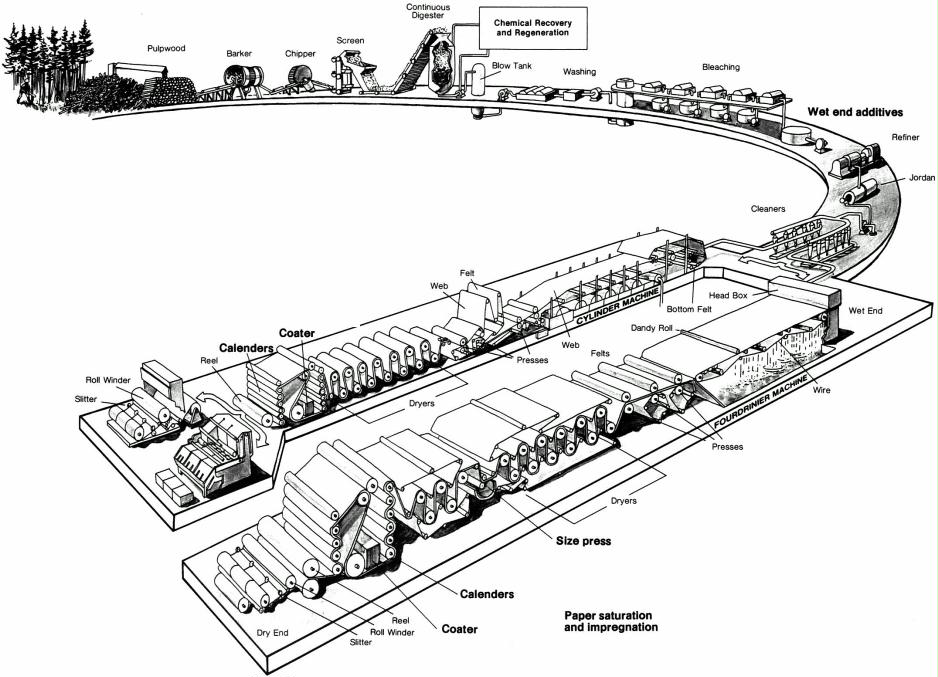
Natural sizing agents provide:
-
Improved fiber bonding strength
-
Enhanced water repellency
-
Better surface smoothness
-
Improved print clarity
-
Reduced environmental impact
They are widely used in paper mills, textile manufacturing plants, and eco-friendly coating formulations.
Market Segmentation Analysis
By Type
-
Starch-Based Sizing Agents
-
Corn starch derivatives
-
Potato starch
-
Modified starch blends
Dominant segment due to cost-effectiveness and availability.
-
-
Rosin-Based Sizing Agents
-
Gum rosin
-
Tall oil rosin
-
Fortified rosin emulsions
Commonly used in paper internal sizing.
-
-
Cellulose & Plant-Derived Polymers
-
Carboxymethyl cellulose (CMC)
-
Guar gum derivatives
-
-
Protein-Based Sizing Agents
-
Casein
-
Soy protein derivatives
-
Starch-based products account for the largest revenue share globally.
By Application
-
Paper & Paperboard
-
Packaging materials
-
Printing & writing paper
-
Corrugated board
-
-
Textile & Fibers
-
Warp sizing
-
Yarn protection
-
-
Paints & Coatings
-
Eco-friendly binder systems
-
Surface finishing
-
-
Adhesives
-
Biodegradable Packaging Materials
Paper & paperboard represent the primary demand segment.
By End-Use Industry
-
Packaging Industry
-
Textile Manufacturing
-
Printing Industry
-
Construction & Coatings
-
Consumer Goods Packaging
Regional Analysis
North America
-
Strong sustainable packaging demand.
-
High adoption of biodegradable materials.
-
Established paper manufacturing base.
Europe
-
Stringent environmental regulations favor bio-based chemicals.
-
Growth in recyclable packaging solutions.
-
Germany and Scandinavia lead sustainable paper production.
Asia-Pacific
-
Largest paper production region globally.
-
Expanding textile manufacturing in China, India, and Southeast Asia.
-
Rapid growth in packaging demand due to e-commerce.
South America
-
Brazil leading pulp and paper production.
-
Growing agricultural feedstock availability.
Middle East & Africa
-
Developing packaging industry.
-
Moderate textile production growth.
Competitive Landscape
Major Market Participants
-
Akzo Nobel
-
BASF SE
-
Dow Inc.
-
DuPont
-
Kemira Oyj
-
Archer Daniels Midland (ADM)
-
Solvay SA
-
Ashland Global
-
Cargill Inc.
-
Evonik Industries AG
-
CP Kelco
-
FMC Corporation
-
Ingredion Incorporated
-
Archroma
-
Buckman Laboratories
Additional Key Players
-
Roquette Frères
-
Tate & Lyle
-
Grain Processing Corporation
-
Sappi Chemicals
-
Borregaard
-
Nippon Paper Industries
-
Rayonier Advanced Materials
-
Stora Enso (Bio-based Solutions)
-
Emsland Group
-
Domsjö Fabriker
Competition focuses on sustainable innovation, supply chain integration, product performance enhancement, and cost efficiency.
Impact of COVID-19
-
Disruptions in paper demand for commercial printing.
-
Surge in packaging materials driven by e-commerce growth.
-
Temporary supply chain interruptions.
-
Increased demand for food packaging and hygiene products.
Post-pandemic recovery strengthened the packaging and sustainable materials sector.
Market Drivers
-
Rising global focus on sustainable packaging.
-
Growth of biodegradable and recyclable materials.
-
Increasing environmental regulations.
-
Expansion of textile manufacturing.
-
Agricultural feedstock availability for starch production.
Market Challenges
-
Raw material price volatility (corn, potato, rosin).
-
Competition from synthetic sizing agents.
-
Performance limitations compared to synthetic chemicals.
-
Supply chain disruptions in agricultural commodities.
-
Moisture sensitivity of certain natural polymers.
Emerging Trends
-
Development of modified bio-based starch blends.
-
Growth in compostable packaging materials.
-
Increased R&D in high-performance natural emulsions.
-
Integration with water-based coating systems.
-
Expansion of circular economy practices in paper production.
-
Digital printing compatibility enhancements.
Porter’s Five Forces Analysis
1. Threat of New Entrants – Moderate
Availability of agricultural feedstocks lowers entry barriers, but large-scale processing requires investment.
2. Bargaining Power of Suppliers – Moderate to High
Dependence on agricultural commodities influences pricing.
3. Bargaining Power of Buyers – High
Large paper and textile manufacturers negotiate pricing.
4. Threat of Substitutes – Moderate
Synthetic sizing agents remain competitive in high-performance applications.
5. Competitive Rivalry – High
Numerous global and regional players compete on sustainability and performance.
SWOT Analysis
Strengths
-
Renewable and biodegradable.
-
Regulatory support for eco-friendly materials.
-
Cost-effective feedstock availability.
Weaknesses
-
Lower durability compared to synthetic alternatives.
-
Agricultural dependency.
Opportunities
-
Expansion in eco-packaging markets.
-
Innovation in modified bio-polymers.
-
Growth in developing textile economies.
-
Increasing corporate sustainability commitments.
Threats
-
Climate change impacting crop yields.
-
Synthetic polymer performance advancements.
-
Volatility in agricultural pricing.
Value Chain Analysis
-
Raw Material Procurement
-
Corn, potato, and cassava starch
-
Pine-derived rosin
-
-
Processing & Modification
-
Chemical modification
-
Emulsion preparation
-
-
Quality Testing
-
Viscosity control
-
Adhesion strength validation
-
-
Distribution
-
Bulk supply to paper mills
-
Textile manufacturer supply
-
-
End-Use Integration
-
Paper internal sizing
-
Textile warp sizing
-
Coating formulations
-
-
Recycling & Waste Management
-
Compostability assessment
-
Effluent treatment systems
-
Trend Outlook (2026–2036)
-
Asia-Pacific to lead consumption growth.
-
Strong expansion in sustainable packaging sector.
-
Gradual substitution of synthetic agents in environmentally regulated markets.
-
Increased innovation in bio-modified high-strength formulations.
-
Expansion of agricultural supply integration strategies.
Strategic Recommendations
For Manufacturers
-
Invest in modified high-performance starch derivatives.
-
Secure long-term agricultural supply contracts.
-
Expand presence in emerging packaging markets.
For Investors
-
Target bio-based chemical producers.
-
Focus on companies aligned with circular economy initiatives.
For Distributors
-
Strengthen supply chain logistics for bulk paper mills.
-
Offer formulation support services.
For Policymakers
-
Encourage bio-based chemical incentives.
-
Support sustainable agriculture supply chains.
Conclusion
The Natural Sizing Agents Market is positioned for sustained growth driven by environmental regulations, packaging industry expansion, and increasing adoption of renewable materials. While competition from synthetic alternatives remains, innovation in bio-based formulations and global sustainability initiatives will support steady market expansion through 2036.
1. Market Overview of Natural Sizing Agents
1.1 Natural Sizing Agents Market Overview
1.1.1 Natural Sizing Agents Product Scope
1.1.2 Market Status and Outlook
1.2 Natural Sizing Agents Market Size by Regions:
1.3 Natural Sizing Agents Historic Market Size by Regions
1.4 Natural Sizing Agents Forecasted Market Size by Regions
1.5 Covid-19 Impact on Key Regions, Keyword Market Size YoY Growth
1.5.1 North America
1.5.2 East Asia
1.5.3 Europe
1.5.4 South Asia
1.5.5 Southeast Asia
1.5.6 Middle East
1.5.7 Africa
1.5.8 Oceania
1.5.9 South America
1.5.10 Rest of the World
1.6 Coronavirus Disease 2019 (Covid-19) Impact Will Have a Severe Impact on Global Growth
1.6.1 Covid-19 Impact: Global GDP Growth, 2019, 2020 and 2021 Projections
1.6.2 Covid-19 Impact: Commodity Prices Indices
1.6.3 Covid-19 Impact: Global Major Government Policy
2. Covid-19 Impact Natural Sizing Agents Sales Market by Type
2.1 Global Natural Sizing Agents Historic Market Size by Type
2.2 Global Natural Sizing Agents Forecasted Market Size by Type
2.3 Starches
2.4 Rosins
2.5 Others
3. Covid-19 Impact Natural Sizing Agents Sales Market by Application
3.1 Global Natural Sizing Agents Historic Market Size by Application
3.2 Global Natural Sizing Agents Forecasted Market Size by Application
3.3 Paper & Paperboard
3.4 Paints & Coatings
3.5 Textile & Fibers
3.6 Others
4. Covid-19 Impact Market Competition by Manufacturers
4.1 Global Natural Sizing Agents Production Capacity Market Share by Manufacturers
4.2 Global Natural Sizing Agents Revenue Market Share by Manufacturers
4.3 Global Natural Sizing Agents Average Price by Manufacturers
5. Company Profiles and Key Figures in Natural Sizing Agents Business
5.1 Akzo Nobel
5.1.1 Akzo Nobel Company Profile
5.1.2 Akzo Nobel Natural Sizing Agents Product Specification
5.1.3 Akzo Nobel Natural Sizing Agents Production Capacity, Revenue, Price and Gross Margin
5.2 BASF
5.2.1 BASF Company Profile
5.2.2 BASF Natural Sizing Agents Product Specification
5.2.3 BASF Natural Sizing Agents Production Capacity, Revenue, Price and Gross Margin
5.3 Dow
5.3.1 Dow Company Profile
5.3.2 Dow Natural Sizing Agents Product Specification
5.3.3 Dow Natural Sizing Agents Production Capacity, Revenue, Price and Gross Margin
5.4 Dupont
5.4.1 Dupont Company Profile
5.4.2 Dupont Natural Sizing Agents Product Specification
5.4.3 Dupont Natural Sizing Agents Production Capacity, Revenue, Price and Gross Margin
5.5 Kemira Oyj
5.5.1 Kemira Oyj Company Profile
5.5.2 Kemira Oyj Natural Sizing Agents Product Specification
5.5.3 Kemira Oyj Natural Sizing Agents Production Capacity, Revenue, Price and Gross Margin
5.6 ADM
5.6.1 ADM Company Profile
5.6.2 ADM Natural Sizing Agents Product Specification
5.6.3 ADM Natural Sizing Agents Production Capacity, Revenue, Price and Gross Margin
5.7 Solvay SA
5.7.1 Solvay SA Company Profile
5.7.2 Solvay SA Natural Sizing Agents Product Specification
5.7.3 Solvay SA Natural Sizing Agents Production Capacity, Revenue, Price and Gross Margin
5.8 Ashland
5.8.1 Ashland Company Profile
5.8.2 Ashland Natural Sizing Agents Product Specification
5.8.3 Ashland Natural Sizing Agents Production Capacity, Revenue, Price and Gross Margin
5.9 Cargill
5.9.1 Cargill Company Profile
5.9.2 Cargill Natural Sizing Agents Product Specification
5.9.3 Cargill Natural Sizing Agents Production Capacity, Revenue, Price and Gross Margin
5.10 Evonik Industries AG
5.10.1 Evonik Industries AG Company Profile
5.10.2 Evonik Industries AG Natural Sizing Agents Product Specification
5.10.3 Evonik Industries AG Natural Sizing Agents Production Capacity, Revenue, Price and Gross Margin
5.11 CP Kelco
5.11.1 CP Kelco Company Profile
5.11.2 CP Kelco Natural Sizing Agents Product Specification
5.11.3 CP Kelco Natural Sizing Agents Production Capacity, Revenue, Price and Gross Margin
5.12 FMC
5.12.1 FMC Company Profile
5.12.2 FMC Natural Sizing Agents Product Specification
5.12.3 FMC Natural Sizing Agents Production Capacity, Revenue, Price and Gross Margin
5.13 Ingredion
5.13.1 Ingredion Company Profile
5.13.2 Ingredion Natural Sizing Agents Product Specification
5.13.3 Ingredion Natural Sizing Agents Production Capacity, Revenue, Price and Gross Margin
5.14 Archroma
5.14.1 Archroma Company Profile
5.14.2 Archroma Natural Sizing Agents Product Specification
5.14.3 Archroma Natural Sizing Agents Production Capacity, Revenue, Price and Gross Margin
5.15 Buckman Laboratories International
5.15.1 Buckman Laboratories International Company Profile
5.15.2 Buckman Laboratories International Natural Sizing Agents Product Specification
5.15.3 Buckman Laboratories International Natural Sizing Agents Production Capacity, Revenue, Price and Gross Margin
6. North America
6.1 North America Natural Sizing Agents Market Size
6.2 North America Natural Sizing Agents Key Players in North America
6.3 North America Natural Sizing Agents Market Size by Type
6.4 North America Natural Sizing Agents Market Size by Application
7. East Asia
7.1 East Asia Natural Sizing Agents Market Size
7.2 East Asia Natural Sizing Agents Key Players in North America
7.3 East Asia Natural Sizing Agents Market Size by Type
7.4 East Asia Natural Sizing Agents Market Size by Application
8. Europe
8.1 Europe Natural Sizing Agents Market Size
8.2 Europe Natural Sizing Agents Key Players in North America
8.3 Europe Natural Sizing Agents Market Size by Type
8.4 Europe Natural Sizing Agents Market Size by Application
9. South Asia
9.1 South Asia Natural Sizing Agents Market Size
9.2 South Asia Natural Sizing Agents Key Players in North America
9.3 South Asia Natural Sizing Agents Market Size by Type
9.4 South Asia Natural Sizing Agents Market Size by Application
10. Southeast Asia
10.1 Southeast Asia Natural Sizing Agents Market Size
10.2 Southeast Asia Natural Sizing Agents Key Players in North America
10.3 Southeast Asia Natural Sizing Agents Market Size by Type
10.4 Southeast Asia Natural Sizing Agents Market Size by Application
11. Middle East
11.1 Middle East Natural Sizing Agents Market Size
11.2 Middle East Natural Sizing Agents Key Players in North America
11.3 Middle East Natural Sizing Agents Market Size by Type
11.4 Middle East Natural Sizing Agents Market Size by Application
12. Africa
12.1 Africa Natural Sizing Agents Market Size
12.2 Africa Natural Sizing Agents Key Players in North America
12.3 Africa Natural Sizing Agents Market Size by Type
12.4 Africa Natural Sizing Agents Market Size by Application
13. Oceania
13.1 Oceania Natural Sizing Agents Market Size
13.2 Oceania Natural Sizing Agents Key Players in North America
13.3 Oceania Natural Sizing Agents Market Size by Type
13.4 Oceania Natural Sizing Agents Market Size by Application
14. South America
14.1 South America Natural Sizing Agents Market Size
14.2 South America Natural Sizing Agents Key Players in North America
14.3 South America Natural Sizing Agents Market Size by Type
14.4 South America Natural Sizing Agents Market Size by Application
15. Rest of the World
15.1 Rest of the World Natural Sizing Agents Market Size
15.2 Rest of the World Natural Sizing Agents Key Players in North America
15.3 Rest of the World Natural Sizing Agents Market Size by Type
15.4 Rest of the World Natural Sizing Agents Market Size by Application
16 Natural Sizing Agents Market Dynamics
16.1 Covid-19 Impact Market Top Trends
16.2 Covid-19 Impact Market Drivers
16.3 Covid-19 Impact Market Challenges
16.4 Porter?s Five Forces Analysis
18 Regulatory Information
17 Analyst's Viewpoints/Conclusions
18 Appendix
18.1 Research Methodology
18.1.1 Methodology/Research Approach
18.1.2 Data Source
18.2 Disclaimer
Market Segmentation Analysis
By Type
-
Starch-Based Sizing Agents
-
Corn starch derivatives
-
Potato starch
-
Modified starch blends
Dominant segment due to cost-effectiveness and availability.
-
-
Rosin-Based Sizing Agents
-
Gum rosin
-
Tall oil rosin
-
Fortified rosin emulsions
Commonly used in paper internal sizing.
-
-
Cellulose & Plant-Derived Polymers
-
Carboxymethyl cellulose (CMC)
-
Guar gum derivatives
-
-
Protein-Based Sizing Agents
-
Casein
-
Soy protein derivatives
-
Starch-based products account for the largest revenue share globally.
By Application
-
Paper & Paperboard
-
Packaging materials
-
Printing & writing paper
-
Corrugated board
-
-
Textile & Fibers
-
Warp sizing
-
Yarn protection
-
-
Paints & Coatings
-
Eco-friendly binder systems
-
Surface finishing
-
-
Adhesives
-
Biodegradable Packaging Materials
Paper & paperboard represent the primary demand segment.
By End-Use Industry
-
Packaging Industry
-
Textile Manufacturing
-
Printing Industry
-
Construction & Coatings
-
Consumer Goods Packaging
Upto 24 to 48 hrs (Working Hours)
Upto 72 hrs max (Working Hours) - Weekends and Public Holidays
Single User License - Allows access to only one person to the report.
Multi User License - Allows sharing with max 5 persons within organization.
Corporate License – Can be shared across entire organization.
Online Payments with PayPal
Wire Transfer / Bank Transfer
Why Choose Us
24/7 Expert Support
At ChemReports, we understand that business decisions can’t wait. Our research specialists are available anytime to answer your queries and guide you through our reports, ensuring quick and reliable assistance.
Comprehensive Market Coverage
ChemReports provides 360° market analysis across materials, technologies, and global chemical sectors—helping you make confident business decisions.
Actionable Intelligence
We turn complex data into strategic insights to support fact-based decisions, market entry strategies, and competitive analysis.
Data Privacy & Security
Your personal and business information is completely secure with us. We value your trust and ensure strict confidentiality.
Customized Research
Need tailored insights? Our analysts provide custom reports built on authentic data and aligned with your specific business goals.