Global Nucleic Acid Labeling Market – Advanced Industry Analysis (2026–2036)
Market Overview
The Global Nucleic Acid Labeling Market was valued at USD XXX billion in 2025 and is projected to reach USD XXX billion by 2036, expanding at a CAGR of XX% during the forecast period.
Nucleic acid labeling involves the incorporation of detectable markers into DNA or RNA molecules to enable visualization, quantification, and tracking in molecular biology workflows. These labels include fluorescent dyes, radioactive isotopes, enzymatic tags, and biotin-based systems. The technology is fundamental in genomics, transcriptomics, diagnostic assay development, next-generation sequencing (NGS), PCR analysis, in situ hybridization, and CRISPR research.
Growth is driven by increasing genomic research, rising demand for molecular diagnostics, expansion of precision medicine, and growth in biotechnology and pharmaceutical R&D investment.
Market Segmentation Analysis
By Type
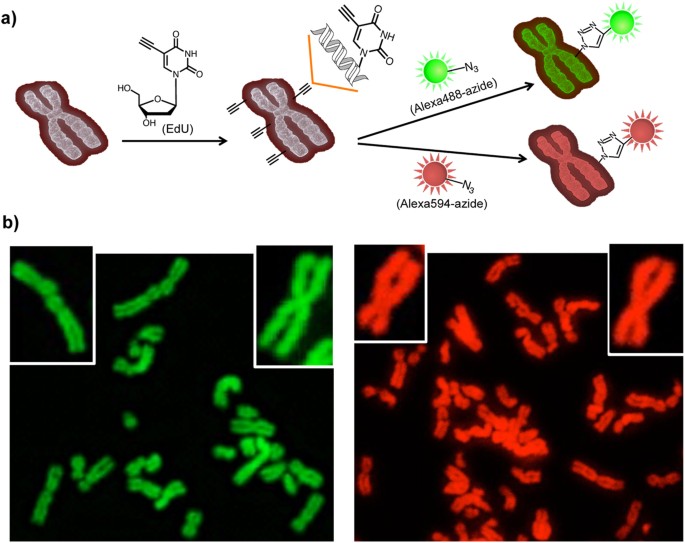
-
DNA Labeling
-
Nick translation
-
Random priming
-
PCR-based labeling
-
End labeling
-
-
RNA Labeling
-
In vitro transcription labeling
-
Direct RNA labeling
-
Post-transcriptional labeling
-
DNA labeling accounts for the larger revenue share due to widespread use in sequencing and diagnostic platforms.
By Labeling Method
-
Fluorescent Labeling
-
Radioactive Labeling
-
Enzymatic Labeling
-
Biotin-Based Labeling
-
Chemiluminescent Labeling
-
Isotopic Labeling
Fluorescent labeling dominates owing to safety advantages and compatibility with automated imaging systems.
By Application
-
Research Laboratories
-
Clinical & Diagnostic Testing Institutions
-
Pharmaceutical & Biotechnology Companies
-
Academic & Research Institutes
-
Forensic Laboratories
-
Agrigenomics & Food Testing
Research laboratories remain the largest consumer segment, while clinical diagnostics represent the fastest-growing application area.
By End-Use Technology
-
PCR & qPCR
-
Next-Generation Sequencing (NGS)
-
Microarrays
-
In Situ Hybridization (ISH/FISH)
-
CRISPR & Gene Editing
-
Southern & Northern Blotting
Regional Analysis
North America
-
Leading market share driven by strong genomics research funding.
-
High adoption of advanced molecular diagnostic tools.
-
Significant presence of biotechnology and pharmaceutical firms.
Europe
-
Robust academic research infrastructure.
-
Government-backed precision medicine initiatives.
-
Germany, UK, and France as major contributors.
Asia-Pacific
-
Fastest-growing regional market.
-
Expanding biotech hubs in China, Japan, South Korea, and India.
-
Increasing government investment in genomics research.
South America
-
Growing adoption of molecular diagnostic laboratories.
-
Brazil as primary regional market.
Middle East & Africa
-
Gradual expansion of clinical testing infrastructure.
-
Rising investments in healthcare modernization.
Competitive Landscape
Major Market Participants
-
Thermo Fisher Scientific Inc.
-
Merck KGaA
-
F. Hoffmann-La Roche Ltd.
-
Promega Corporation
-
GE Healthcare
-
Enzo Biochem Inc.
-
Vector Laboratories
-
Agilent Technologies Inc.
-
Bio-Rad Laboratories Inc.
-
Danaher Corporation
-
Illumina Inc.
-
Qiagen N.V.
Additional Key Players
-
New England Biolabs
-
PerkinElmer Inc.
-
Takara Bio Inc.
-
LGC Biosearch Technologies
-
Abcam plc
-
Jena Bioscience
-
TriLink BioTechnologies
-
Eurofins Scientific
-
Bioneer Corporation
-
Integrated DNA Technologies (IDT)
Competitive dynamics revolve around reagent innovation, proprietary labeling chemistries, automation compatibility, and global distribution networks.
Impact of COVID-19
-
Surge in demand for PCR and molecular testing reagents.
-
Accelerated adoption of RNA labeling for viral genome analysis.
-
Increased R&D funding for infectious disease research.
-
Supply chain disruptions in early 2020 followed by rapid market recovery.
The pandemic significantly boosted molecular diagnostics infrastructure, positively impacting long-term demand.
Market Drivers
-
Expansion of genomics and transcriptomics research.
-
Rising demand for precision medicine.
-
Growth in molecular diagnostics.
-
Increasing investment in biotechnology R&D.
-
Technological advancements in fluorescent probes.
-
Expansion of CRISPR and gene-editing applications.
Market Challenges
-
High cost of advanced labeling kits.
-
Stringent regulatory approval processes.
-
Technical complexity in multi-label systems.
-
Limited skilled workforce in developing regions.
-
Reagent shelf-life and storage requirements.
Emerging Trends
-
Development of multiplex fluorescent labeling systems.
-
Automation-compatible labeling kits.
-
Non-radioactive safe labeling alternatives.
-
Integration with single-cell sequencing technologies.
-
AI-assisted genomic analysis platforms.
-
Growth in personalized oncology diagnostics.
Porter’s Five Forces Analysis
1. Threat of New Entrants – Moderate
High R&D investment and intellectual property barriers limit entry.
2. Bargaining Power of Suppliers – Moderate
Dependence on specialized biochemical reagents and fluorophores.
3. Bargaining Power of Buyers – Moderate to High
Large research institutions negotiate bulk supply agreements.
4. Threat of Substitutes – Low
Few alternatives exist for labeled nucleic acid detection.
5. Competitive Rivalry – High
Established multinational life science companies dominate with extensive portfolios.
SWOT Analysis
Strengths
-
Essential in modern molecular biology workflows.
-
High recurring demand from research and diagnostics.
-
Technological innovation-driven growth.
Weaknesses
-
Expensive reagents.
-
Regulatory complexity in clinical diagnostics.
Opportunities
-
Expansion in personalized medicine.
-
Growth of gene therapy research.
-
Emerging biotech markets in Asia-Pacific.
-
Increasing funding in cancer genomics.
Threats
-
Budget constraints in academic research.
-
Supply chain dependency for specialized dyes.
-
Rapid technology obsolescence.
Value Chain Analysis
-
Raw Material Procurement
-
Fluorophores
-
Enzymes
-
Modified nucleotides
-
-
Reagent Manufacturing
-
Chemical conjugation
-
Purification and quality validation
-
-
Kit Assembly & Packaging
-
Multiplex assay kit production
-
-
Distribution
-
Direct sales to labs
-
Scientific distributors
-
-
Application & Integration
-
Research workflows
-
Diagnostic assays
-
Sequencing platforms
-
-
Data Analysis & Reporting
-
Imaging systems
-
Bioinformatics platforms
-
Trend Outlook (2026–2036)
-
Strong growth in RNA labeling driven by mRNA research.
-
Expansion of NGS applications in clinical diagnostics.
-
Increasing automation in molecular laboratories.
-
Asia-Pacific to emerge as a high-growth region.
-
Integration of labeling reagents with digital health platforms.
Strategic Recommendations
For Manufacturers
-
Develop multiplex and automation-ready kits.
-
Invest in high-stability fluorescent dyes.
-
Strengthen regulatory compliance for diagnostic applications.
For Investors
-
Focus on companies with strong genomics portfolios.
-
Target firms engaged in RNA-based technologies.
For Distributors
-
Expand cold-chain logistics capabilities.
-
Provide technical training to laboratories.
For Policymakers
-
Support genomic research funding.
-
Encourage local biotechnology manufacturing ecosystems.
Conclusion
The Nucleic Acid Labeling Market remains a foundational component of molecular biology and precision diagnostics. With accelerating genomics research, expanding clinical testing, and continuous technological innovation, the market is positioned for sustained growth through 2036. Companies emphasizing advanced labeling chemistries, automation compatibility, and strategic partnerships will secure long-term competitive advantage.
1. Market Overview of Nucleic Acid Labeling
1.1 Nucleic Acid Labeling Market Overview
1.1.1 Nucleic Acid Labeling Product Scope
1.1.2 Market Status and Outlook
1.2 Nucleic Acid Labeling Market Size by Regions:
1.3 Nucleic Acid Labeling Historic Market Size by Regions
1.4 Nucleic Acid Labeling Forecasted Market Size by Regions
1.5 Covid-19 Impact on Key Regions, Keyword Market Size YoY Growth
1.5.1 North America
1.5.2 East Asia
1.5.3 Europe
1.5.4 South Asia
1.5.5 Southeast Asia
1.5.6 Middle East
1.5.7 Africa
1.5.8 Oceania
1.5.9 South America
1.5.10 Rest of the World
1.6 Coronavirus Disease 2019 (Covid-19) Impact Will Have a Severe Impact on Global Growth
1.6.1 Covid-19 Impact: Global GDP Growth, 2019, 2020 and 2021 Projections
1.6.2 Covid-19 Impact: Commodity Prices Indices
1.6.3 Covid-19 Impact: Global Major Government Policy
2. Covid-19 Impact Nucleic Acid Labeling Sales Market by Type
2.1 Global Nucleic Acid Labeling Historic Market Size by Type
2.2 Global Nucleic Acid Labeling Forecasted Market Size by Type
2.3 Deoxyribonucleic Acid (DNA) Labeling
2.4 Ribonucleic Acid (RNA) Labeling
3. Covid-19 Impact Nucleic Acid Labeling Sales Market by Application
3.1 Global Nucleic Acid Labeling Historic Market Size by Application
3.2 Global Nucleic Acid Labeling Forecasted Market Size by Application
3.3 Laboratory
3.4 Testing Institutions
3.5 Other
4. Covid-19 Impact Market Competition by Manufacturers
4.1 Global Nucleic Acid Labeling Production Capacity Market Share by Manufacturers
4.2 Global Nucleic Acid Labeling Revenue Market Share by Manufacturers
4.3 Global Nucleic Acid Labeling Average Price by Manufacturers
5. Company Profiles and Key Figures in Nucleic Acid Labeling Business
5.1 Thermo Fisher Scientific Inc.
5.1.1 Thermo Fisher Scientific Inc. Company Profile
5.1.2 Thermo Fisher Scientific Inc. Nucleic Acid Labeling Product Specification
5.1.3 Thermo Fisher Scientific Inc. Nucleic Acid Labeling Production Capacity, Revenue, Price and Gross Margin
5.2 Merck KGaA
5.2.1 Merck KGaA Company Profile
5.2.2 Merck KGaA Nucleic Acid Labeling Product Specification
5.2.3 Merck KGaA Nucleic Acid Labeling Production Capacity, Revenue, Price and Gross Margin
5.3 F. Hoffmann-La Roche Ltd.
5.3.1 F. Hoffmann-La Roche Ltd. Company Profile
5.3.2 F. Hoffmann-La Roche Ltd. Nucleic Acid Labeling Product Specification
5.3.3 F. Hoffmann-La Roche Ltd. Nucleic Acid Labeling Production Capacity, Revenue, Price and Gross Margin
5.4 Promega Corporation
5.4.1 Promega Corporation Company Profile
5.4.2 Promega Corporation Nucleic Acid Labeling Product Specification
5.4.3 Promega Corporation Nucleic Acid Labeling Production Capacity, Revenue, Price and Gross Margin
5.5 GE Healthcare
5.5.1 GE Healthcare Company Profile
5.5.2 GE Healthcare Nucleic Acid Labeling Product Specification
5.5.3 GE Healthcare Nucleic Acid Labeling Production Capacity, Revenue, Price and Gross Margin
5.6 Enzo Biochem Inc.
5.6.1 Enzo Biochem Inc. Company Profile
5.6.2 Enzo Biochem Inc. Nucleic Acid Labeling Product Specification
5.6.3 Enzo Biochem Inc. Nucleic Acid Labeling Production Capacity, Revenue, Price and Gross Margin
5.7 Vector Laboratories
5.7.1 Vector Laboratories Company Profile
5.7.2 Vector Laboratories Nucleic Acid Labeling Product Specification
5.7.3 Vector Laboratories Nucleic Acid Labeling Production Capacity, Revenue, Price and Gross Margin
5.8 Agilent Technologies Inc.
5.8.1 Agilent Technologies Inc. Company Profile
5.8.2 Agilent Technologies Inc. Nucleic Acid Labeling Product Specification
5.8.3 Agilent Technologies Inc. Nucleic Acid Labeling Production Capacity, Revenue, Price and Gross Margin
5.9 Bio-Rad Laboratories Inc.
5.9.1 Bio-Rad Laboratories Inc. Company Profile
5.9.2 Bio-Rad Laboratories Inc. Nucleic Acid Labeling Product Specification
5.9.3 Bio-Rad Laboratories Inc. Nucleic Acid Labeling Production Capacity, Revenue, Price and Gross Margin
5.10 Danaher Corporation
5.10.1 Danaher Corporation Company Profile
5.10.2 Danaher Corporation Nucleic Acid Labeling Product Specification
5.10.3 Danaher Corporation Nucleic Acid Labeling Production Capacity, Revenue, Price and Gross Margin
5.11 Hoffman-La Roche Ag
5.11.1 Hoffman-La Roche Ag Company Profile
5.11.2 Hoffman-La Roche Ag Nucleic Acid Labeling Product Specification
5.11.3 Hoffman-La Roche Ag Nucleic Acid Labeling Production Capacity, Revenue, Price and Gross Margin
5.12 General Electric Company
5.12.1 General Electric Company Company Profile
5.12.2 General Electric Company Nucleic Acid Labeling Product Specification
5.12.3 General Electric Company Nucleic Acid Labeling Production Capacity, Revenue, Price and Gross Margin
5.13 Illumina Inc.
5.13.1 Illumina Inc. Company Profile
5.13.2 Illumina Inc. Nucleic Acid Labeling Product Specification
5.13.3 Illumina Inc. Nucleic Acid Labeling Production Capacity, Revenue, Price and Gross Margin
5.14 Qiagen N.V.
5.14.1 Qiagen N.V. Company Profile
5.14.2 Qiagen N.V. Nucleic Acid Labeling Product Specification
5.14.3 Qiagen N.V. Nucleic Acid Labeling Production Capacity, Revenue, Price and Gross Margin
6. North America
6.1 North America Nucleic Acid Labeling Market Size
6.2 North America Nucleic Acid Labeling Key Players in North America
6.3 North America Nucleic Acid Labeling Market Size by Type
6.4 North America Nucleic Acid Labeling Market Size by Application
7. East Asia
7.1 East Asia Nucleic Acid Labeling Market Size
7.2 East Asia Nucleic Acid Labeling Key Players in North America
7.3 East Asia Nucleic Acid Labeling Market Size by Type
7.4 East Asia Nucleic Acid Labeling Market Size by Application
8. Europe
8.1 Europe Nucleic Acid Labeling Market Size
8.2 Europe Nucleic Acid Labeling Key Players in North America
8.3 Europe Nucleic Acid Labeling Market Size by Type
8.4 Europe Nucleic Acid Labeling Market Size by Application
9. South Asia
9.1 South Asia Nucleic Acid Labeling Market Size
9.2 South Asia Nucleic Acid Labeling Key Players in North America
9.3 South Asia Nucleic Acid Labeling Market Size by Type
9.4 South Asia Nucleic Acid Labeling Market Size by Application
10. Southeast Asia
10.1 Southeast Asia Nucleic Acid Labeling Market Size
10.2 Southeast Asia Nucleic Acid Labeling Key Players in North America
10.3 Southeast Asia Nucleic Acid Labeling Market Size by Type
10.4 Southeast Asia Nucleic Acid Labeling Market Size by Application
11. Middle East
11.1 Middle East Nucleic Acid Labeling Market Size
11.2 Middle East Nucleic Acid Labeling Key Players in North America
11.3 Middle East Nucleic Acid Labeling Market Size by Type
11.4 Middle East Nucleic Acid Labeling Market Size by Application
12. Africa
12.1 Africa Nucleic Acid Labeling Market Size
12.2 Africa Nucleic Acid Labeling Key Players in North America
12.3 Africa Nucleic Acid Labeling Market Size by Type
12.4 Africa Nucleic Acid Labeling Market Size by Application
13. Oceania
13.1 Oceania Nucleic Acid Labeling Market Size
13.2 Oceania Nucleic Acid Labeling Key Players in North America
13.3 Oceania Nucleic Acid Labeling Market Size by Type
13.4 Oceania Nucleic Acid Labeling Market Size by Application
14. South America
14.1 South America Nucleic Acid Labeling Market Size
14.2 South America Nucleic Acid Labeling Key Players in North America
14.3 South America Nucleic Acid Labeling Market Size by Type
14.4 South America Nucleic Acid Labeling Market Size by Application
15. Rest of the World
15.1 Rest of the World Nucleic Acid Labeling Market Size
15.2 Rest of the World Nucleic Acid Labeling Key Players in North America
15.3 Rest of the World Nucleic Acid Labeling Market Size by Type
15.4 Rest of the World Nucleic Acid Labeling Market Size by Application
16 Nucleic Acid Labeling Market Dynamics
16.1 Covid-19 Impact Market Top Trends
16.2 Covid-19 Impact Market Drivers
16.3 Covid-19 Impact Market Challenges
16.4 Porter?s Five Forces Analysis
18 Regulatory Information
17 Analyst's Viewpoints/Conclusions
18 Appendix
18.1 Research Methodology
18.1.1 Methodology/Research Approach
18.1.2 Data Source
18.2 Disclaimer
Market Segmentation Analysis
By Type
-
DNA Labeling
-
Nick translation
-
Random priming
-
PCR-based labeling
-
End labeling
-
-
RNA Labeling
-
In vitro transcription labeling
-
Direct RNA labeling
-
Post-transcriptional labeling
-
DNA labeling accounts for the larger revenue share due to widespread use in sequencing and diagnostic platforms.
By Labeling Method
-
Fluorescent Labeling
-
Radioactive Labeling
-
Enzymatic Labeling
-
Biotin-Based Labeling
-
Chemiluminescent Labeling
-
Isotopic Labeling
Fluorescent labeling dominates owing to safety advantages and compatibility with automated imaging systems.
By Application
-
Research Laboratories
-
Clinical & Diagnostic Testing Institutions
-
Pharmaceutical & Biotechnology Companies
-
Academic & Research Institutes
-
Forensic Laboratories
-
Agrigenomics & Food Testing
Research laboratories remain the largest consumer segment, while clinical diagnostics represent the fastest-growing application area.
By End-Use Technology
-
PCR & qPCR
-
Next-Generation Sequencing (NGS)
-
Microarrays
-
In Situ Hybridization (ISH/FISH)
-
CRISPR & Gene Editing
-
Southern & Northern Blotting
Upto 24 to 48 hrs (Working Hours)
Upto 72 hrs max (Working Hours) - Weekends and Public Holidays
Single User License - Allows access to only one person to the report.
Multi User License - Allows sharing with max 5 persons within organization.
Corporate License – Can be shared across entire organization.
Online Payments with PayPal
Wire Transfer / Bank Transfer
Why Choose Us
24/7 Expert Support
At ChemReports, we understand that business decisions can’t wait. Our research specialists are available anytime to answer your queries and guide you through our reports, ensuring quick and reliable assistance.
Comprehensive Market Coverage
ChemReports provides 360° market analysis across materials, technologies, and global chemical sectors—helping you make confident business decisions.
Actionable Intelligence
We turn complex data into strategic insights to support fact-based decisions, market entry strategies, and competitive analysis.
Data Privacy & Security
Your personal and business information is completely secure with us. We value your trust and ensure strict confidentiality.
Customized Research
Need tailored insights? Our analysts provide custom reports built on authentic data and aligned with your specific business goals.