Global Optical Lenses Market – Comprehensive Industry Assessment (2026–2036)
Market Overview
The Global Optical Lenses Market was valued at USD XXX billion in 2025 and is projected to reach USD XXX billion by 2036, expanding at a CAGR of XX% during the forecast period.
Optical lenses are precision-engineered components that refract or focus light for applications ranging from corrective eyewear to high-end imaging systems, defense optics, medical diagnostics, and semiconductor inspection equipment. Growth is being driven by rising vision correction demand, miniaturization of imaging systems, expansion of consumer electronics, and advancements in photonics.
The market assessment integrates macroeconomic indicators, regulatory environments, material science advancements, production technologies, and competitive positioning across global regions.
Market Segmentation Analysis
By Lens Type
-
Convex (Positive) Lenses
-
Concave (Negative) Lenses
-
Meniscus Lenses
-
Aspheric Lenses
-
Cylindrical Lenses
-
Achromatic Lenses
-
Fresnel Lenses
-
Gradient-Index (GRIN) Lenses
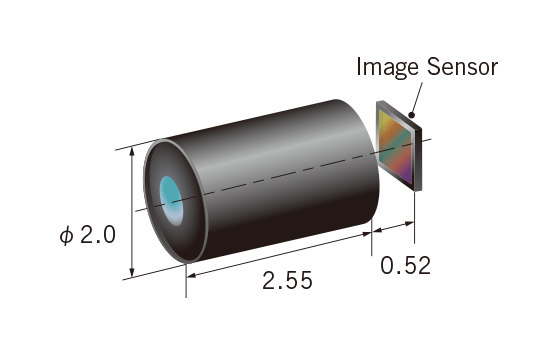
Aspheric and GRIN lenses are witnessing accelerated adoption in compact imaging and precision optical assemblies.
By Material
-
Crown Glass
-
Flint Glass
-
Fused Silica
-
Optical Plastics (CR-39, Polycarbonate)
-
High-Index Plastics
-
Sapphire & Specialty Crystals
High-index plastics dominate the eyewear segment, while fused silica and specialty crystals are preferred in high-power laser and industrial applications.
By Coating Type
-
Anti-Reflective (AR)
-
Scratch-Resistant
-
UV Protective
-
Infrared (IR) Coating
-
Polarized Coating
-
Hydrophobic & Oleophobic Coating
AR and multi-layer coatings represent a critical value-add segment.
By Application
-
Medical Devices (Endoscopy, Ophthalmology)
-
Photography & Imaging
-
Consumer Electronics
-
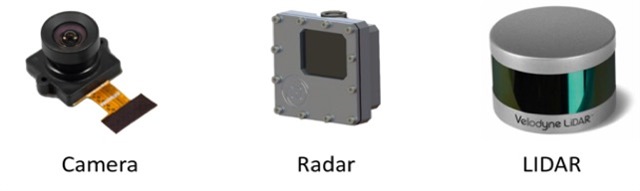
Automotive (ADAS & LiDAR)
-
Defense & Military Optics
-
Astronomy & Research
-
Industrial Inspection
-
Microbiology & Laboratory Equipment
Consumer electronics and automotive LiDAR represent high-growth verticals.
By End User
-
Healthcare Providers
-
Electronics Manufacturers
-
Automotive OEMs
-
Defense Contractors
-
Research Institutions
-
Retail Optical Chains
Regional Analysis
North America
-
Strong presence of advanced optical manufacturing.
-
High demand from defense, aerospace, and medical sectors.
-
Growth in autonomous vehicle optics.
Europe
-
Mature optics engineering ecosystem.
-
Germany and France lead in precision industrial optics.
-
Strong automotive optics demand.
Asia-Pacific
-
Fastest-growing regional market.
-
China and Japan dominate production capacity.
-
India emerging as an eyewear consumption hub.
-
Significant semiconductor inspection optics demand.
South America
-
Gradual expansion in medical and consumer imaging devices.
Middle East & Africa
-
Growing demand for ophthalmic lenses.
-
Defense procurement contributing to premium optics demand.
Competitive Landscape
Major Market Participants
-
EssilorLuxottica
-
ISP Optics
-
Edmund Optics
-
Knight Optical
-
Younger Optics
-
Lensel Optics
-
Esco Optics
-
Optimax Systems
-
HOYA Corporation
-
Eckhardt Optics
-
Tokai Optical
-
Leica Camera
-
Kowa Company
-
Celestron
-
ML Optic
-
Mizar Optical Instruments
-
Vixen Co.
-
Nikon Corporation
-
Danyang HengFeng Optical Lens
-
Lens-Optics GmbH
-
Thorlabs
Additional Key Players
-
Zeiss Group
-
Canon Inc.
-
Schott AG
-
Tamron Co., Ltd.
-
Sunny Optical Technology
-
Rodenstock GmbH
-
Largan Precision
-
Jenoptik AG
-
Sumita Optical Glass
-
LightPath Technologies
Competition centers on precision manufacturing, coating technology, vertical integration, and R&D investments in photonics and nano-coatings.
Impact of COVID-19
-
Temporary manufacturing shutdowns disrupted supply chains.
-
Reduced demand from photography and automotive segments in 2020.
-
Increased demand for medical optical devices.
-
Accelerated digitalization boosted consumer electronics optics post-2021.
Recovery was driven by healthcare demand and remote work-related electronics consumption.
Market Drivers
-
Rising global vision impairment cases.
-
Growth of smartphone camera modules.
-
Expansion of autonomous driving technologies.
-
Military modernization programs.
-
Advances in photonics and laser systems.
-
Increasing surgical and diagnostic imaging procedures.
Market Challenges
-
High precision manufacturing costs.
-
Raw material price volatility.
-
Complex supply chain for specialty glass.
-
Stringent quality compliance requirements.
-
Counterfeit low-cost optical products.
Emerging Trends
-
Miniaturization of optical assemblies.
-
AI-integrated smart lenses.
-
Growth of AR/VR optics.
-
Increased use of lightweight polymer optics.
-
Freeform lens technology adoption.
-
Integrated LiDAR optical systems.
Porter’s Five Forces Analysis
1. Threat of New Entrants – Moderate
High capital investment in precision equipment creates entry barriers.
2. Bargaining Power of Suppliers – Moderate to High
Specialty optical glass suppliers are limited.
3. Bargaining Power of Buyers – High
Large OEMs negotiate aggressively on price and customization.
4. Threat of Substitutes – Low to Moderate
Limited direct substitutes for precision optical components.
5. Competitive Rivalry – High
Global competition driven by technological differentiation and pricing.
SWOT Analysis
Strengths
-
Essential component across multiple industries.
-
High technological differentiation.
-
Expanding high-growth applications.
Weaknesses
-
Capital-intensive manufacturing.
-
Dependence on specialized materials.
Opportunities
-
AR/VR device expansion.
-
Autonomous vehicle ecosystem.
-
Growth in medical diagnostics.
-
Emerging economies’ healthcare spending.
Threats
-
Rapid technology obsolescence.
-
Geopolitical trade disruptions.
-
Intellectual property risks.
Value Chain Analysis
-
Raw Material Procurement
-
Optical glass, polymers, crystals.
-
-
Lens Design & Engineering
-
Optical simulation and prototyping.
-
-
Precision Manufacturing
-
Grinding, polishing, molding.
-
-
Coating & Surface Treatment
-
Multi-layer deposition.
-
-
Assembly & Integration
-
Optical module assembly.
-
-
Distribution
-
OEM supply, retail optical chains.
-
-
Aftermarket Services
-
Replacements and servicing.
-
Trend Analysis (2026–2036 Outlook)
-
Strong CAGR expected in LiDAR optics.
-
Ophthalmic lenses remain volume leaders.
-
Asia-Pacific projected to dominate manufacturing share.
-
Advanced coating technologies to generate premium margins.
-
Increasing automation in optical production facilities.
Strategic Recommendations for Stakeholders
Manufacturers
-
Invest in automated polishing and coating systems.
-
Develop customized optics for automotive LiDAR.
-
Strengthen R&D in lightweight materials.
Investors
-
Target firms specializing in AR/VR optics.
-
Focus on vertically integrated manufacturers.
Distributors
-
Expand partnerships with healthcare networks.
-
Offer bundled service agreements.
Policymakers
-
Support domestic precision optics manufacturing.
-
Encourage photonics innovation grants.
Conclusion
The Optical Lenses Market is transitioning from traditional imaging to advanced photonics-driven applications. Companies that prioritize precision engineering, material innovation, and diversified application portfolios will secure sustained competitive advantage through 2036.
1. Market Overview of Optical Lenses
1.1 Optical Lenses Market Overview
1.1.1 Optical Lenses Product Scope
1.1.2 Market Status and Outlook
1.2 Optical Lenses Market Size by Regions:
1.3 Optical Lenses Historic Market Size by Regions
1.4 Optical Lenses Forecasted Market Size by Regions
1.5 Covid-19 Impact on Key Regions, Keyword Market Size YoY Growth
1.5.1 North America
1.5.2 East Asia
1.5.3 Europe
1.5.4 South Asia
1.5.5 Southeast Asia
1.5.6 Middle East
1.5.7 Africa
1.5.8 Oceania
1.5.9 South America
1.5.10 Rest of the World
1.6 Coronavirus Disease 2019 (Covid-19) Impact Will Have a Severe Impact on Global Growth
1.6.1 Covid-19 Impact: Global GDP Growth, 2019, 2020 and 2021 Projections
1.6.2 Covid-19 Impact: Commodity Prices Indices
1.6.3 Covid-19 Impact: Global Major Government Policy
2. Covid-19 Impact Optical Lenses Sales Market by Type
2.1 Global Optical Lenses Historic Market Size by Type
2.2 Global Optical Lenses Forecasted Market Size by Type
2.3 Positive Lenses
2.4 Negative Lenses
2.5 Meniscus Lenses
3. Covid-19 Impact Optical Lenses Sales Market by Application
3.1 Global Optical Lenses Historic Market Size by Application
3.2 Global Optical Lenses Forecasted Market Size by Application
3.3 Medical
3.4 Photography & Arts
3.5 Transportation
3.6 Military
3.7 Astronomy
3.8 Microbiology
4. Covid-19 Impact Market Competition by Manufacturers
4.1 Global Optical Lenses Production Capacity Market Share by Manufacturers
4.2 Global Optical Lenses Revenue Market Share by Manufacturers
4.3 Global Optical Lenses Average Price by Manufacturers
5. Company Profiles and Key Figures in Optical Lenses Business
5.1 Essilor
5.1.1 Essilor Company Profile
5.1.2 Essilor Optical Lenses Product Specification
5.1.3 Essilor Optical Lenses Production Capacity, Revenue, Price and Gross Margin
5.2 ISP
5.2.1 ISP Company Profile
5.2.2 ISP Optical Lenses Product Specification
5.2.3 ISP Optical Lenses Production Capacity, Revenue, Price and Gross Margin
5.3 Edmund Optics
5.3.1 Edmund Optics Company Profile
5.3.2 Edmund Optics Optical Lenses Product Specification
5.3.3 Edmund Optics Optical Lenses Production Capacity, Revenue, Price and Gross Margin
5.4 Knight Optical
5.4.1 Knight Optical Company Profile
5.4.2 Knight Optical Optical Lenses Product Specification
5.4.3 Knight Optical Optical Lenses Production Capacity, Revenue, Price and Gross Margin
5.5 Younger Optics
5.5.1 Younger Optics Company Profile
5.5.2 Younger Optics Optical Lenses Product Specification
5.5.3 Younger Optics Optical Lenses Production Capacity, Revenue, Price and Gross Margin
5.6 Lensel Optics
5.6.1 Lensel Optics Company Profile
5.6.2 Lensel Optics Optical Lenses Product Specification
5.6.3 Lensel Optics Optical Lenses Production Capacity, Revenue, Price and Gross Margin
5.7 Esco Optics
5.7.1 Esco Optics Company Profile
5.7.2 Esco Optics Optical Lenses Product Specification
5.7.3 Esco Optics Optical Lenses Production Capacity, Revenue, Price and Gross Margin
5.8 Optimax Systems
5.8.1 Optimax Systems Company Profile
5.8.2 Optimax Systems Optical Lenses Product Specification
5.8.3 Optimax Systems Optical Lenses Production Capacity, Revenue, Price and Gross Margin
5.9 HOYA
5.9.1 HOYA Company Profile
5.9.2 HOYA Optical Lenses Product Specification
5.9.3 HOYA Optical Lenses Production Capacity, Revenue, Price and Gross Margin
5.10 Eckhardt Optics
5.10.1 Eckhardt Optics Company Profile
5.10.2 Eckhardt Optics Optical Lenses Product Specification
5.10.3 Eckhardt Optics Optical Lenses Production Capacity, Revenue, Price and Gross Margin
5.11 Tokai Optical
5.11.1 Tokai Optical Company Profile
5.11.2 Tokai Optical Optical Lenses Product Specification
5.11.3 Tokai Optical Optical Lenses Production Capacity, Revenue, Price and Gross Margin
5.12 Leica Camera
5.12.1 Leica Camera Company Profile
5.12.2 Leica Camera Optical Lenses Product Specification
5.12.3 Leica Camera Optical Lenses Production Capacity, Revenue, Price and Gross Margin
5.13 Kowa
5.13.1 Kowa Company Profile
5.13.2 Kowa Optical Lenses Product Specification
5.13.3 Kowa Optical Lenses Production Capacity, Revenue, Price and Gross Margin
5.14 Celestron
5.14.1 Celestron Company Profile
5.14.2 Celestron Optical Lenses Product Specification
5.14.3 Celestron Optical Lenses Production Capacity, Revenue, Price and Gross Margin
5.15 ML Optic
5.15.1 ML Optic Company Profile
5.15.2 ML Optic Optical Lenses Product Specification
5.15.3 ML Optic Optical Lenses Production Capacity, Revenue, Price and Gross Margin
5.16 Mizar Optical Instruments
5.16.1 Mizar Optical Instruments Company Profile
5.16.2 Mizar Optical Instruments Optical Lenses Product Specification
5.16.3 Mizar Optical Instruments Optical Lenses Production Capacity, Revenue, Price and Gross Margin
5.17 Vixen
5.17.1 Vixen Company Profile
5.17.2 Vixen Optical Lenses Product Specification
5.17.3 Vixen Optical Lenses Production Capacity, Revenue, Price and Gross Margin
5.18 Nikon
5.18.1 Nikon Company Profile
5.18.2 Nikon Optical Lenses Product Specification
5.18.3 Nikon Optical Lenses Production Capacity, Revenue, Price and Gross Margin
5.19 Danyang HengFeng Optical lens (Glasses)
5.19.1 Danyang HengFeng Optical lens (Glasses) Company Profile
5.19.2 Danyang HengFeng Optical lens (Glasses) Optical Lenses Product Specification
5.19.3 Danyang HengFeng Optical lens (Glasses) Optical Lenses Production Capacity, Revenue, Price and Gross Margin
5.20 Lens-Optics GmbH
5.20.1 Lens-Optics GmbH Company Profile
5.20.2 Lens-Optics GmbH Optical Lenses Product Specification
5.20.3 Lens-Optics GmbH Optical Lenses Production Capacity, Revenue, Price and Gross Margin
5.21 Thorlabs
5.21.1 Thorlabs Company Profile
5.21.2 Thorlabs Optical Lenses Product Specification
5.21.3 Thorlabs Optical Lenses Production Capacity, Revenue, Price and Gross Margin
6. North America
6.1 North America Optical Lenses Market Size
6.2 North America Optical Lenses Key Players in North America
6.3 North America Optical Lenses Market Size by Type
6.4 North America Optical Lenses Market Size by Application
7. East Asia
7.1 East Asia Optical Lenses Market Size
7.2 East Asia Optical Lenses Key Players in North America
7.3 East Asia Optical Lenses Market Size by Type
7.4 East Asia Optical Lenses Market Size by Application
8. Europe
8.1 Europe Optical Lenses Market Size
8.2 Europe Optical Lenses Key Players in North America
8.3 Europe Optical Lenses Market Size by Type
8.4 Europe Optical Lenses Market Size by Application
9. South Asia
9.1 South Asia Optical Lenses Market Size
9.2 South Asia Optical Lenses Key Players in North America
9.3 South Asia Optical Lenses Market Size by Type
9.4 South Asia Optical Lenses Market Size by Application
10. Southeast Asia
10.1 Southeast Asia Optical Lenses Market Size
10.2 Southeast Asia Optical Lenses Key Players in North America
10.3 Southeast Asia Optical Lenses Market Size by Type
10.4 Southeast Asia Optical Lenses Market Size by Application
11. Middle East
11.1 Middle East Optical Lenses Market Size
11.2 Middle East Optical Lenses Key Players in North America
11.3 Middle East Optical Lenses Market Size by Type
11.4 Middle East Optical Lenses Market Size by Application
12. Africa
12.1 Africa Optical Lenses Market Size
12.2 Africa Optical Lenses Key Players in North America
12.3 Africa Optical Lenses Market Size by Type
12.4 Africa Optical Lenses Market Size by Application
13. Oceania
13.1 Oceania Optical Lenses Market Size
13.2 Oceania Optical Lenses Key Players in North America
13.3 Oceania Optical Lenses Market Size by Type
13.4 Oceania Optical Lenses Market Size by Application
14. South America
14.1 South America Optical Lenses Market Size
14.2 South America Optical Lenses Key Players in North America
14.3 South America Optical Lenses Market Size by Type
14.4 South America Optical Lenses Market Size by Application
15. Rest of the World
15.1 Rest of the World Optical Lenses Market Size
15.2 Rest of the World Optical Lenses Key Players in North America
15.3 Rest of the World Optical Lenses Market Size by Type
15.4 Rest of the World Optical Lenses Market Size by Application
16 Optical Lenses Market Dynamics
16.1 Covid-19 Impact Market Top Trends
16.2 Covid-19 Impact Market Drivers
16.3 Covid-19 Impact Market Challenges
16.4 Porter?s Five Forces Analysis
18 Regulatory Information
17 Analyst's Viewpoints/Conclusions
18 Appendix
18.1 Research Methodology
18.1.1 Methodology/Research Approach
18.1.2 Data Source
18.2 Disclaimer
Market Segmentation Analysis
By Lens Type
-
Convex (Positive) Lenses
-
Concave (Negative) Lenses
-
Meniscus Lenses
-
Aspheric Lenses
-
Cylindrical Lenses
-
Achromatic Lenses
-
Fresnel Lenses
-
Gradient-Index (GRIN) Lenses
Aspheric and GRIN lenses are witnessing accelerated adoption in compact imaging and precision optical assemblies.
By Material
-
Crown Glass
-
Flint Glass
-
Fused Silica
-
Optical Plastics (CR-39, Polycarbonate)
-
High-Index Plastics
-
Sapphire & Specialty Crystals
High-index plastics dominate the eyewear segment, while fused silica and specialty crystals are preferred in high-power laser and industrial applications.
By Coating Type
-
Anti-Reflective (AR)
-
Scratch-Resistant
-
UV Protective
-
Infrared (IR) Coating
-
Polarized Coating
-
Hydrophobic & Oleophobic Coating
AR and multi-layer coatings represent a critical value-add segment.
By Application
-
Medical Devices (Endoscopy, Ophthalmology)
-
Photography & Imaging
-
Consumer Electronics
-
Automotive (ADAS & LiDAR)
-
Defense & Military Optics
-
Astronomy & Research
-
Industrial Inspection
-
Microbiology & Laboratory Equipment
Consumer electronics and automotive LiDAR represent high-growth verticals.
By End User
-
Healthcare Providers
-
Electronics Manufacturers
-
Automotive OEMs
-
Defense Contractors
-
Research Institutions
-
Retail Optical Chains
Upto 24 to 48 hrs (Working Hours)
Upto 72 hrs max (Working Hours) - Weekends and Public Holidays
Single User License - Allows access to only one person to the report.
Multi User License - Allows sharing with max 5 persons within organization.
Corporate License – Can be shared across entire organization.
Online Payments with PayPal
Wire Transfer / Bank Transfer
Why Choose Us
24/7 Expert Support
At ChemReports, we understand that business decisions can’t wait. Our research specialists are available anytime to answer your queries and guide you through our reports, ensuring quick and reliable assistance.
Comprehensive Market Coverage
ChemReports provides 360° market analysis across materials, technologies, and global chemical sectors—helping you make confident business decisions.
Actionable Intelligence
We turn complex data into strategic insights to support fact-based decisions, market entry strategies, and competitive analysis.
Data Privacy & Security
Your personal and business information is completely secure with us. We value your trust and ensure strict confidentiality.
Customized Research
Need tailored insights? Our analysts provide custom reports built on authentic data and aligned with your specific business goals.