Global Precipitated Silicas Market Outlook (2026–2036)
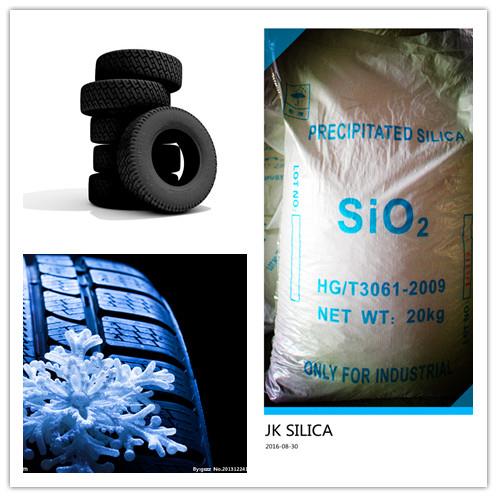
The global Precipitated Silicas Market is projected to witness steady growth from 2026 to 2036, supported by rising demand in green tires, oral care products, animal nutrition, food additives, and industrial rubber applications. Precipitated silica, produced through the reaction of sodium silicate with mineral acids, offers controlled particle size, high surface area, and reinforcing properties, making it a critical functional filler across multiple industries.
Market expansion is closely linked to automotive production, sustainability-driven tire technologies, and growth in personal care consumption.
Precipitated Silica
Market Segmentation Analysis
By Type
-
Dental Grade Silica
-
Food Grade Silica
-
Highly Dispersible Silica (HDS) – Tire Grade
-
Technical Rubber Grade
-
Feed Grade Silica
-
Cosmetic Grade Silica
By Surface Area (New Addition)
-
Low Surface Area (<100 m²/g)
-
Medium Surface Area (100–200 m²/g)
-
High Surface Area (>200 m²/g)
By Application
-
Rubber (Tires, Industrial Rubber Goods)
-
Dentifrice (Toothpaste Abrasives)
-
Nutrition & Health (Anti-caking Agent, Carrier)
-
Animal Feed Additives
-
Food Processing
-
Personal Care & Cosmetics
-
Coatings & Inks
By End-Use Industry
-
Automotive
-
Consumer Healthcare
-
Food & Beverage
-
Agriculture
-
Industrial Manufacturing
Regional Analysis
Asia-Pacific
-
Largest producer and consumer
-
Strong tire manufacturing base in China and India
-
Growing oral care market
-
Rapid industrialization
North America
-
High demand for green tires
-
Advanced rubber technology adoption
-
Mature dentifrice market
Europe
-
Stringent emission regulations boosting low rolling resistance tires
-
Strong automotive OEM presence
-
Focus on sustainable materials
South America
-
Growing automotive and food industries
-
Rising agricultural feed demand
Middle East & Africa
-
Expanding industrial rubber consumption
-
Developing food processing sector
Expanded Key Players
-
Evonik Industries
-
Solvay (formerly Rhodia)
-
Huber Engineered Materials
-
PPG Industries
-
OSC Group
-
W.R. Grace & Co.
-
Tosoh Silica Corporation
-
Quechen Silicon Chemical
-
Zhuzhou Xinglong
-
Fujian Zhengsheng
-
Shandong Link Science & Technology
-
Fujian Zhengyuan Chemical
-
Shandong Jinneng Science & Technology
-
Tonghua Shuanglong Chemical
-
Jiangxi Blackcat Carbon Black
-
Shanxi Tond Chemical
-
Hengcheng Silica
-
Fujian Fengrun Chemical
-
Madhu Silica Pvt. Ltd.
-
Oriental Silicas Corporation
-
PQ Corporation
-
Tokuyama Corporation
The market is moderately consolidated, with leading multinational firms dominating high-performance and HDS grades.
Porter’s Five Forces Analysis
1. Threat of New Entrants – Moderate
-
Capital-intensive production process
-
Technical expertise in particle control required
-
Environmental compliance barriers
2. Bargaining Power of Suppliers – Moderate
-
Dependence on sodium silicate and sulfuric acid
-
Energy price sensitivity
3. Bargaining Power of Buyers – High
-
Large tire manufacturers negotiate pricing
-
Commodity-grade competition increases pressure
4. Threat of Substitutes – Moderate
-
Carbon black (in rubber applications)
-
Alternative fillers in toothpaste formulations
5. Competitive Rivalry – High
-
Price competition in Asia
-
Continuous capacity expansion
-
Innovation in high-dispersibility grades
SWOT Analysis
Strengths
-
Enhances tire fuel efficiency
-
Improves rubber durability
-
Essential abrasive in toothpaste
-
Versatile multi-industry application
Weaknesses
-
Energy-intensive manufacturing
-
Sensitive to raw material cost fluctuations
-
Performance variation based on grade
Opportunities
-
Growth in electric vehicle tire demand
-
Rising health & oral care awareness
-
Expansion in feed additives
-
Sustainable filler innovations
Threats
-
Raw material price volatility
-
Overcapacity in China
-
Environmental regulatory constraints
Market Trends
-
Rapid adoption of highly dispersible silica in green tires
-
Development of ultra-high surface area silica
-
Expansion of silica-silane coupling systems
-
Focus on sustainable and low-carbon production
-
Increasing demand in EV-specific tire technology
Key Market Drivers
-
Rising demand for low rolling resistance tires
-
Growth in global automotive production
-
Increasing toothpaste consumption
-
Expansion of processed food industry
-
Regulatory push for energy-efficient vehicles
Market Challenges
-
Energy cost fluctuations
-
Stringent environmental norms
-
Margin pressure in commodity grades
-
Dependence on automotive sector cycles
Value Chain Analysis
-
Raw Material Supply (Sodium Silicate, Sulfuric Acid)
-
Precipitation Reaction Process
-
Filtration & Washing
-
Drying & Milling
-
Surface Treatment (Optional)
-
Packaging & Distribution
-
Integration into Rubber, Dentifrice, or Food Systems
Highest value addition occurs in specialty HDS silica production and surface-modified grades.
Strategic Recommendations for Stakeholders
For Manufacturers
-
Expand HDS production capacity
-
Improve energy efficiency in drying operations
-
Develop specialty grades for EV tires
For Tire Manufacturers
-
Strengthen silica-silane integration technologies
-
Collaborate with silica producers for customized grades
For Investors
-
Target firms with diversified application exposure
-
Monitor EV adoption rates
-
Evaluate companies with strong Asia-Pacific footprint
For Policymakers
-
Support low-carbon chemical manufacturing
-
Encourage sustainable mobility solutions
-
Promote domestic specialty chemical industries
Conclusion
The precipitated silicas market will continue to benefit from sustainable tire technology, expanding oral care demand, and diversified industrial applications. Although raw material and energy costs present challenges, innovation in highly dispersible and specialty grades will drive long-term growth. Asia-Pacific will remain the dominant region, while Europe and North America focus on high-value and environmentally compliant products.
1. Market Overview of Precipitated Silicas
1.1 Precipitated Silicas Market Overview
1.1.1 Precipitated Silicas Product Scope
1.1.2 Market Status and Outlook
1.2 Precipitated Silicas Market Size by Regions:
1.3 Precipitated Silicas Historic Market Size by Regions
1.4 Precipitated Silicas Forecasted Market Size by Regions
1.5 Covid-19 Impact on Key Regions, Keyword Market Size YoY Growth
1.5.1 North America
1.5.2 East Asia
1.5.3 Europe
1.5.4 South Asia
1.5.5 Southeast Asia
1.5.6 Middle East
1.5.7 Africa
1.5.8 Oceania
1.5.9 South America
1.5.10 Rest of the World
1.6 Coronavirus Disease 2019 (Covid-19) Impact Will Have a Severe Impact on Global Growth
1.6.1 Covid-19 Impact: Global GDP Growth, 2019, 2020 and 2021 Projections
1.6.2 Covid-19 Impact: Commodity Prices Indices
1.6.3 Covid-19 Impact: Global Major Government Policy
2. Covid-19 Impact Precipitated Silicas Sales Market by Type
2.1 Global Precipitated Silicas Historic Market Size by Type
2.2 Global Precipitated Silicas Forecasted Market Size by Type
2.3 Dental grade
2.4 Food grade
2.5 HDS Tire grade
2.6 Technical rubber grade
3. Covid-19 Impact Precipitated Silicas Sales Market by Application
3.1 Global Precipitated Silicas Historic Market Size by Application
3.2 Global Precipitated Silicas Forecasted Market Size by Application
3.3 Rubber
3.4 Dentifrice
3.5 Nutrition & health
3.6 Others
4. Covid-19 Impact Market Competition by Manufacturers
4.1 Global Precipitated Silicas Production Capacity Market Share by Manufacturers
4.2 Global Precipitated Silicas Revenue Market Share by Manufacturers
4.3 Global Precipitated Silicas Average Price by Manufacturers
5. Company Profiles and Key Figures in Precipitated Silicas Business
5.1 Evonik
5.1.1 Evonik Company Profile
5.1.2 Evonik Precipitated Silicas Product Specification
5.1.3 Evonik Precipitated Silicas Production Capacity, Revenue, Price and Gross Margin
5.2 Rhodia (Solvay)
5.2.1 Rhodia (Solvay) Company Profile
5.2.2 Rhodia (Solvay) Precipitated Silicas Product Specification
5.2.3 Rhodia (Solvay) Precipitated Silicas Production Capacity, Revenue, Price and Gross Margin
5.3 Huber Engineered Materials
5.3.1 Huber Engineered Materials Company Profile
5.3.2 Huber Engineered Materials Precipitated Silicas Product Specification
5.3.3 Huber Engineered Materials Precipitated Silicas Production Capacity, Revenue, Price and Gross Margin
5.4 Pittsburgh Plate Glass (PPG)
5.4.1 Pittsburgh Plate Glass (PPG) Company Profile
5.4.2 Pittsburgh Plate Glass (PPG) Precipitated Silicas Product Specification
5.4.3 Pittsburgh Plate Glass (PPG) Precipitated Silicas Production Capacity, Revenue, Price and Gross Margin
5.5 OSC Group
5.5.1 OSC Group Company Profile
5.5.2 OSC Group Precipitated Silicas Product Specification
5.5.3 OSC Group Precipitated Silicas Production Capacity, Revenue, Price and Gross Margin
5.6 Grace
5.6.1 Grace Company Profile
5.6.2 Grace Precipitated Silicas Product Specification
5.6.3 Grace Precipitated Silicas Production Capacity, Revenue, Price and Gross Margin
5.7 Tosoh Silica
5.7.1 Tosoh Silica Company Profile
5.7.2 Tosoh Silica Precipitated Silicas Product Specification
5.7.3 Tosoh Silica Precipitated Silicas Production Capacity, Revenue, Price and Gross Margin
5.8 Quechen Silicon
5.8.1 Quechen Silicon Company Profile
5.8.2 Quechen Silicon Precipitated Silicas Product Specification
5.8.3 Quechen Silicon Precipitated Silicas Production Capacity, Revenue, Price and Gross Margin
5.9 Zhuzhou Xinglong
5.9.1 Zhuzhou Xinglong Company Profile
5.9.2 Zhuzhou Xinglong Precipitated Silicas Product Specification
5.9.3 Zhuzhou Xinglong Precipitated Silicas Production Capacity, Revenue, Price and Gross Margin
5.10 Fujian Zhengsheng
5.10.1 Fujian Zhengsheng Company Profile
5.10.2 Fujian Zhengsheng Precipitated Silicas Product Specification
5.10.3 Fujian Zhengsheng Precipitated Silicas Production Capacity, Revenue, Price and Gross Margin
5.11 Shandong Link
5.11.1 Shandong Link Company Profile
5.11.2 Shandong Link Precipitated Silicas Product Specification
5.11.3 Shandong Link Precipitated Silicas Production Capacity, Revenue, Price and Gross Margin
5.12 Fujian ZhengYuan
5.12.1 Fujian ZhengYuan Company Profile
5.12.2 Fujian ZhengYuan Precipitated Silicas Product Specification
5.12.3 Fujian ZhengYuan Precipitated Silicas Production Capacity, Revenue, Price and Gross Margin
5.13 Shandong Jinneng
5.13.1 Shandong Jinneng Company Profile
5.13.2 Shandong Jinneng Precipitated Silicas Product Specification
5.13.3 Shandong Jinneng Precipitated Silicas Production Capacity, Revenue, Price and Gross Margin
5.14 Tonghua Shuanglong
5.14.1 Tonghua Shuanglong Company Profile
5.14.2 Tonghua Shuanglong Precipitated Silicas Product Specification
5.14.3 Tonghua Shuanglong Precipitated Silicas Production Capacity, Revenue, Price and Gross Margin
5.15 Jiangxi Blackcat
5.15.1 Jiangxi Blackcat Company Profile
5.15.2 Jiangxi Blackcat Precipitated Silicas Product Specification
5.15.3 Jiangxi Blackcat Precipitated Silicas Production Capacity, Revenue, Price and Gross Margin
5.16 Shanxi Tond
5.16.1 Shanxi Tond Company Profile
5.16.2 Shanxi Tond Precipitated Silicas Product Specification
5.16.3 Shanxi Tond Precipitated Silicas Production Capacity, Revenue, Price and Gross Margin
5.17 Hengcheng Silica
5.17.1 Hengcheng Silica Company Profile
5.17.2 Hengcheng Silica Precipitated Silicas Product Specification
5.17.3 Hengcheng Silica Precipitated Silicas Production Capacity, Revenue, Price and Gross Margin
5.18 Fujian Fengrun
5.18.1 Fujian Fengrun Company Profile
5.18.2 Fujian Fengrun Precipitated Silicas Product Specification
5.18.3 Fujian Fengrun Precipitated Silicas Production Capacity, Revenue, Price and Gross Margin
6. North America
6.1 North America Precipitated Silicas Market Size
6.2 North America Precipitated Silicas Key Players in North America
6.3 North America Precipitated Silicas Market Size by Type
6.4 North America Precipitated Silicas Market Size by Application
7. East Asia
7.1 East Asia Precipitated Silicas Market Size
7.2 East Asia Precipitated Silicas Key Players in North America
7.3 East Asia Precipitated Silicas Market Size by Type
7.4 East Asia Precipitated Silicas Market Size by Application
8. Europe
8.1 Europe Precipitated Silicas Market Size
8.2 Europe Precipitated Silicas Key Players in North America
8.3 Europe Precipitated Silicas Market Size by Type
8.4 Europe Precipitated Silicas Market Size by Application
9. South Asia
9.1 South Asia Precipitated Silicas Market Size
9.2 South Asia Precipitated Silicas Key Players in North America
9.3 South Asia Precipitated Silicas Market Size by Type
9.4 South Asia Precipitated Silicas Market Size by Application
10. Southeast Asia
10.1 Southeast Asia Precipitated Silicas Market Size
10.2 Southeast Asia Precipitated Silicas Key Players in North America
10.3 Southeast Asia Precipitated Silicas Market Size by Type
10.4 Southeast Asia Precipitated Silicas Market Size by Application
11. Middle East
11.1 Middle East Precipitated Silicas Market Size
11.2 Middle East Precipitated Silicas Key Players in North America
11.3 Middle East Precipitated Silicas Market Size by Type
11.4 Middle East Precipitated Silicas Market Size by Application
12. Africa
12.1 Africa Precipitated Silicas Market Size
12.2 Africa Precipitated Silicas Key Players in North America
12.3 Africa Precipitated Silicas Market Size by Type
12.4 Africa Precipitated Silicas Market Size by Application
13. Oceania
13.1 Oceania Precipitated Silicas Market Size
13.2 Oceania Precipitated Silicas Key Players in North America
13.3 Oceania Precipitated Silicas Market Size by Type
13.4 Oceania Precipitated Silicas Market Size by Application
14. South America
14.1 South America Precipitated Silicas Market Size
14.2 South America Precipitated Silicas Key Players in North America
14.3 South America Precipitated Silicas Market Size by Type
14.4 South America Precipitated Silicas Market Size by Application
15. Rest of the World
15.1 Rest of the World Precipitated Silicas Market Size
15.2 Rest of the World Precipitated Silicas Key Players in North America
15.3 Rest of the World Precipitated Silicas Market Size by Type
15.4 Rest of the World Precipitated Silicas Market Size by Application
16 Precipitated Silicas Market Dynamics
16.1 Covid-19 Impact Market Top Trends
16.2 Covid-19 Impact Market Drivers
16.3 Covid-19 Impact Market Challenges
16.4 Porter?s Five Forces Analysis
18 Regulatory Information
17 Analyst's Viewpoints/Conclusions
18 Appendix
18.1 Research Methodology
18.1.1 Methodology/Research Approach
18.1.2 Data Source
18.2 Disclaimer
Market Segmentation Analysis
By Type
-
Dental Grade Silica
-
Food Grade Silica
-
Highly Dispersible Silica (HDS) – Tire Grade
-
Technical Rubber Grade
-
Feed Grade Silica
-
Cosmetic Grade Silica
By Surface Area (New Addition)
-
Low Surface Area (<100 m²/g)
-
Medium Surface Area (100–200 m²/g)
-
High Surface Area (>200 m²/g)
By Application
-
Rubber (Tires, Industrial Rubber Goods)
-
Dentifrice (Toothpaste Abrasives)
-
Nutrition & Health (Anti-caking Agent, Carrier)
-
Animal Feed Additives
-
Food Processing
-
Personal Care & Cosmetics
-
Coatings & Inks
By End-Use Industry
-
Automotive
-
Consumer Healthcare
-
Food & Beverage
-
Agriculture
-
Industrial Manufacturing
Upto 24 to 48 hrs (Working Hours)
Upto 72 hrs max (Working Hours) - Weekends and Public Holidays
Single User License - Allows access to only one person to the report.
Multi User License - Allows sharing with max 5 persons within organization.
Corporate License – Can be shared across entire organization.
Online Payments with PayPal
Wire Transfer / Bank Transfer
Why Choose Us
24/7 Expert Support
At ChemReports, we understand that business decisions can’t wait. Our research specialists are available anytime to answer your queries and guide you through our reports, ensuring quick and reliable assistance.
Comprehensive Market Coverage
ChemReports provides 360° market analysis across materials, technologies, and global chemical sectors—helping you make confident business decisions.
Actionable Intelligence
We turn complex data into strategic insights to support fact-based decisions, market entry strategies, and competitive analysis.
Data Privacy & Security
Your personal and business information is completely secure with us. We value your trust and ensure strict confidentiality.
Customized Research
Need tailored insights? Our analysts provide custom reports built on authentic data and aligned with your specific business goals.